If you’ve just invested in a swimming pool heat pump (like one of the reliable models we supply here at our pool heat pump company), you’re probably not just thinking about lower energy bills and longer swimming seasons—you’re also wondering about the fine print of installation. As a supplier who’s worked with hundreds of pool owners over the last 12 years, one question comes up more than any other: “Do I need a permit to install a pool heat pump?” The short answer is almost always “yes, in most cases,” but that’s where the details get important. Let’s break this down like I would when walking a customer through their project—no confusing jargon, just real talk that’s based on local rules, safety standards, and what actually works for your backyard. Swimming Pool Heat Pump

First, let’s start with why permits matter, because this isn’t just some red tape hoops to jump through. When I help a customer plan their pool heat pump install, I always explain that permits exist to protect two things: your safety and your investment. A pool heat pump isn’t just a box that blows warm air—it’s connected to your home’s electrical system, your pool’s plumbing, and in many areas, has to meet zoning rules for noise, setbacks from property lines, or proximity to water sources. Skip the permit, and you could end up with a unit that doesn’t work right (because it’s not aligned with local electrical codes), a fine from the city, or even issues if you ever sell your home. I once had a customer in Austin, Texas, who saved $75 on a permit years ago by going the unlicensed route—only to be hit with a $1,200 code violation when he tried to sell his house, plus he had to rework half the plumbing on his heat pump to meet modern standards. That’s a lesson I pass along to every new buyer.
Now, let’s get specific. Permit requirements aren’t the same everywhere, so your first step should always be to check with your local building department or code enforcement office before you buy a heat pump. But here are the most common rules I see across the U.S. (since that’s our primary market, though these trends hold in most developed countries):
Electrical permits are the most universal. Pool heat pumps run on 240-volt power, which is a high-voltage connection, not something you should mess with on a whim. Most towns require an electrical permit for any new 240-volt install, and many even require that work be done by a licensed electrician. Why? A bad electrical connection on a heat pump can cause fires, shock hazards, or even damage to the unit’s compressor—something we’ve seen first-hand when customers try to save money by hiring an unlicensed handyman. We always recommend that our customers work with a local licensed electrician, and we can even share referrals in most areas if you need one.
Next, plumbing permits. If your heat pump is a standard split or inline unit, it will connect to your pool’s existing plumbing lines. Most building departments require a plumbing permit for any new or modified plumbing lines that handle water for a pool, because leaks can cause water waste, structural damage to your home’s foundation, or even contaminate groundwater. Some areas also require that the plumbing work is done by a licensed plumber, especially if you’re modifying lines near your main home system. We make sure to include clear, step-by-step plumbing guides with every heat pump we sell, but we always stress that checking with your local plumbing inspector is non-negotiable here.
Then there’s zoning and property permits, which vary a lot by neighborhood and city. For example, if you live in a suburban area with a homeowner’s association (HOA), there might be rules about how far your heat pump has to be from your property line, how loud it can run, or what color it has to be to match your home. Some towns have noise ordinances that limit pool equipment to 55 decibels during the day and 45 at night—most modern heat pumps we supply meet these standards, but you still might need a zoning permit to confirm that. I worked with a customer in Miami last year who lives in a historic district; he had to get a special zoning permit before he could install his heat pump, because the city has rules about outdoor equipment in historic neighborhoods. Zoning permits are usually separate from building permits, so don’t forget to ask about those when you call your local office.
Wait, is there any case where you don’t need a permit? I get this question a lot. The only time I can think of is if you’re doing a very small, low-voltage heat pump (like a small unit for a hot tub, not a full-sized swimming pool) in a rural area with extremely loose building rules. Even then, I’d still recommend checking—because a bad install on a small hot tub heat pump can still cause damage. There’s also a myth that if you’re installing the heat pump yourself (without a professional), you don’t need a permit. That’s not true in almost every area. Some towns actually require more inspections if you’re doing the work yourself, to make sure it’s up to code.
Now, let’s talk about the inspection part—because getting a permit usually means you’ll have to have the work inspected by the city or county after installation. This is another step that’s non-negotiable for most areas. After your electrician hooks up the power, and your plumber connects the lines, you’ll call the building department to schedule an inspection. The inspector will check that the electrical wiring is up to code, that the plumbing is free of leaks, that the heat pump is properly spaced from your pool and property lines, and that the noise level is within local limits. Once you pass inspection, you’ll get a final sign-off, which you’ll need for your property records, for insurance purposes, and especially if you ever go to sell your home. We tell every customer that keeping that final inspection paper in a safe spot is just as important as the heat pump’s warranty.
What if you skip all this and don’t get a permit? Let me break down the risks, because they’re not worth saving a few hundred dollars. First, fines: Most towns charge fines that start at $200 and go up to $1,000 or more for unpermitted work, and some even charge daily fines until you get the permit. Second, insurance: If your heat pump catches fire or causes water damage because of an unpermitted install, your homeowner’s insurance could deny your claim. Third, resale value: As I mentioned earlier, unpermitted work on pool equipment is a huge red flag for home buyers and home inspectors. A buyer might ask you to re-do the entire install at your cost, or lower their offer significantly to cover the work they’ll have to do to get it up to code. Fourth, unit performance: If your heat pump isn’t installed to local codes, it might not run as efficiently as it should, costing you more in electricity bills every month. We’ve seen customers with unpermitted installs who have to replace their heat pump 2-3 years early because of improper electrical or plumbing connections—money they could have saved by getting a permit in the first place.
Now, let’s get to the practical next steps, because I don’t want this to just be a list of rules. When you’re ready to install your swimming pool heat pump, here’s what I recommend:
-
Call your local building and zoning office first. Ask for the permit requirements specifically for swimming pool heat pumps in your area. Don’t just ask “do I need a permit” — ask for a written list of required permits, inspections, and any HOA rules if you’re in a neighborhood with one. Most offices have websites with this info too, so you can check before you even buy your heat pump.
-
Plan for permits in your budget. Permits usually cost between $50 and $200, depending on your area—this is a tiny expense compared to the $3,000 to $8,000 you’ll spend on a pool heat pump. We always factor permit costs into our customer’s planning guides, so there’s no surprise here.
-
Hire licensed professionals if you need to. Unless you’re a licensed electrician and plumber, don’t try to do the electrical or plumbing work yourself. Even if you could do it, the inspection will fail, and you’ll have to pay to have a professional fix it anyway. We work with a network of licensed installers across the country who are familiar with pool heat pump permits, so we can connect you to someone reliable if you don’t have a go-to.
-
Don’t forget your HOA. If you have an HOA, even if your town doesn’t require a permit, the HOA might have its own rules about pool equipment. I once had a customer in Charlotte, North Carolina, who got a city permit, but his HOA made him move his heat pump two feet back from the property line—so checking both the city and HOA is key.
At the end of the day, getting a permit for your pool heat pump isn’t just a hassle—it’s a way to make sure your investment is safe, efficient, and backed by local rules. I’ve been in the pool heat pump industry long enough to know that customers who plan for permits from the start are the happiest in the long run. Their heat pump runs better, they don’t have fines, and they don’t have to worry about issues when they sell their home.
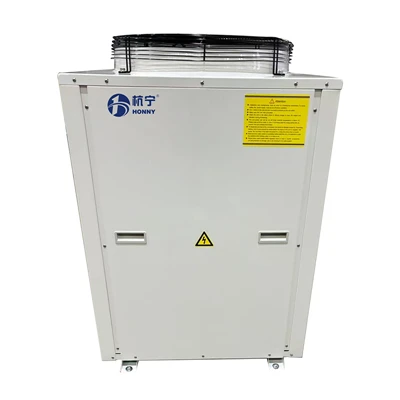
If you’re ready to shop for a pool heat pump, or have more questions about permits specific to your area, feel free to reach out. We’re here to help you every step of the way, from choosing the right unit for your pool size to walking you through the permit process for your local area. Don’t take chances with unpermitted work—your wallet, your home, and your peace of mind will thank you.
Ice Bath Machine References:
- National Swimming Pool Foundation (NSPF) – Commercial Pool Installation Code Requirements
- International Residential Code (IRC) – Chapter E: Mechanical Systems, 2021 Edition
- U.S. Department of Energy – Pool Heat Pump Installation and Safety Guidelines
- Homeowners Protection Bureau – Unpermitted Home Renovation Risks and Solutions
Hangzhou Honny Heat Energy Technology Co., Ltd.
We are one of the most experienced swimming pool heat pump manufacturers and suppliers in China. With a professional production team, we are able to meet the needs of the majority of our customers. Please feel free to wholesale customized swimming pool heat pump from our factory. Also, quotation is available.
Address: Dingshan Village, Wenyan Subdistrict, Xiaoshan District, Hangzhou City, Zhejiang Province
E-mail: 524435406@qq.com
WebSite: https://www.hnrnkj.com/
