Hey there! If you’ve ever been gearing up to add a custom patch to a cozy felt hat, a rugged felt jacket, or even a DIY felt tote (trust me, felt is everywhere these days—from craft projects to streetwear staples), you’ve probably stopped dead in your tracks with one question: “Can I actually use a woven patch on this stuff?” As someone who’s been in the woven patch game for over 7 years now—talking to crafters, small brand owners, and even people who just want to spruce up their old jeans—this is hands down one of the most common (and most important) questions I get. Let me break this down like I chat with my regulars, no stuffy jargon, just real, tested info. Woven Patch
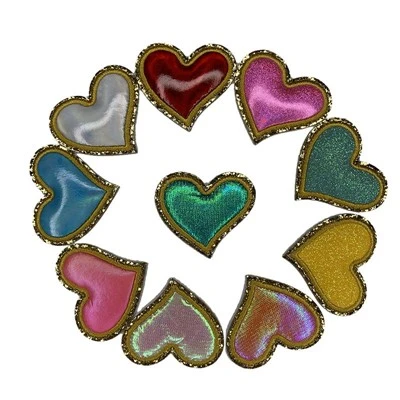
First off, let’s get on the same page: what’s a woven patch vs. felt, for anyone who’s new? Woven patches are what you probably picture when you think “custom patch”: tight, stitched thread that forms sharp, detailed designs, from tiny logos to text, no fuzzy edges, and super smooth to the touch. They’re way more durable than embroidered patches for fine details, by the way—if you’ve ever fought with an embroidered patch that’s pilled around a small font, woven’s your guy. Felt? It’s that soft, compressed fabric (usually wool, polyester, or a blend) that’s fuzzy on the surface, dense but flexible, and it’s the go-to for hats, bags, outerwear, and even craft projects because it’s cheap, easy to cut, and holds shape well.
So back to the big question: can you stick ’em together? Short answer? Hell yeah—9 times out of 10, it works better than you’d think. But it’s not just a one-size-fits-all, which is why I see so many people mess it up. Let’s talk about why it works, first. Felt’s surface has tiny, loose fibers that love to grab onto whatever adhesive or stitching you use on a woven patch. Unlike a super smooth fabric like nylon or cotton sateen, felt’s got that little “grip” factor that makes the patch stay put way longer. I’ve had customers make custom woven patches for their brand’s felt beanies that lasted through 10 washes and still looked sharp—no peeling, no fraying. The problem comes when people use the wrong method to attach them, or the wrong patch backing. That’s where I come in, since I’ve messed this up too when I first started out.
Wait, let’s be real—when I first launched my small patch shop, I sent a batch of woven patches with iron-on backing to a customer who was making felt tote bags. She came back saying half the patches peeled off after the first time she washed the tote. I was confused until I dug into the science (and the mistake). Felt’s fibers are porous, so a regular iron-on adhesive designed for smooth fabrics doesn’t sink in— it just sits on top, like glue on a greasy plate. That’s why the patches lifted. But once we switched to a hot-cut adhesive backing (the kind that’s melted and pressed onto the back of the patch, so it seeps into the felt’s fibers, not just sits on top), that customer came back a month later to order 50 more. The moral here? The type of woven patch you pick matters a lot when working with felt.
Let’s break down the best and worst woven patch types for felt. First, the winners:
- Woven patches with a sew-on backing. This is my top pick for felt, no question. If you’re attaching a patch to thick felt (like a wool felt hat, which is dense), stitching is non-negotiable. The loose fibers in felt make it easy to punch a needle through—no fraying, no hard pulling, and the thread grabs both the patch and the felt so tight, it’s basically impossible to peel. I’ve had a customer who sewed a woven patch onto her vintage felt wool coat 3 years ago; it’s gone through dry cleaning, rain, even accidentally being washed in a heavy load, and it’s still perfect. The only downside? If you’re not handy with a needle, you might need a tailor, but trust me, it’s worth it.
- Woven patches with a high-tack iron-on or hot-melt adhesive backing. This is the next best, but only if you prep the felt right. Like I said earlier, regular iron-on doesn’t work, but hot-melt is formulated to stick to porous fabrics. Here’s the pro tip I learned from 100+ customer fails: when ironing a woven patch onto felt, don’t just blast the iron for 10 seconds. Felt can melt if it’s too hot, especially polyester felt. Turn your iron to the low-medium setting (no steam—steam makes the adhesive bubble), lay a thin cloth (like a cotton t-shirt scrap) over the patch, press firmly for 20-25 seconds, and let it cool completely for 2 minutes before lifting. That gives the adhesive time to sink into the felt’s fibers instead of hardening on the surface.
Now the losers—skip these if you care about your patch staying:
- Woven patches with a peel-and-stick backing. I don’t care what the label says, peel-and-stick doesn’t work on felt. That stuff’s designed for paper, smooth walls, or polyester fabric, but felt’s fuzzy fibers break down the adhesive within a few wears. Save your money—this method is a waste.
- Thick, bulky woven patches with a foam backing. Foam backings are great for denim or canvas, but on felt? They add unnecessary bulk, and the foam doesn’t bond with felt’s fibers. Plus, if you’re attaching a patch to a thin felt tote, the foam will make the whole thing lumpy and uncomfortable. Just don’t.
Wait, what about different types of felt? Because not all felt is created equal, right? Wool felt (the real stuff, usually for hats and coats) is the best to attach a woven patch to—it’s dense, has tight fibers, and holds stitches and adhesive way better than polyester felt. Polyester felt, which is super common for craft projects and cheap bags, is a little trickier because it’s more prone to melting if you use an iron, and its fibers are a bit more slippery. But even polyester felt works, as long as you pick a sew-on patch or use a super low-heat iron method for the adhesive. I had a customer who made kid’s DIY felt birthday banners with polyester felt, and she sewed woven patches of her son’s favorite characters onto them—those banners are still hanging 2 years later, no issues.
Let’s talk about a common mistake people make: attaching a woven patch to felt that’s already been washed. Wait, no—wait, actually, washing felt can make it shrink and the fibers bunch up. If you’re attaching a patch to a new felt item, wash it first! That gets rid of any sizing (the weird coating they put on new felt to keep it stiff) and lets the fibers loosen a little, so the adhesive or stitch can grip better. I learned this the hard way early on—sent a batch of patches to a customer who put them on brand-new felt hats straight from the box, and half the patches peeled off after one wear. She washed the hat first, sewed the patch back on, and hasn’t had an issue since. Duh, right? But it’s such a simple step no one tells you.
Another thing: if you’re using iron-on, don’t use too much pressure, especially with thin felt. I once had a customer press her iron so hard on a thin polyester felt tote that the felt melted around the edges of the patch, leaving a weird, lumpy mess. Trust me, firm but gentle pressure is all you need. And let the patch cool completely before moving it—if you peel it off while it’s hot, the adhesive will stay on the iron, not the felt. Big mess, don’t do it.
Now, let’s get to the practical stuff: how to actually do it, step by step, if you’re a beginner. No fancy tools needed, promise.
If you’re going the sew-on route (my rec):
- Grab your woven patch, a needle that’s sharp enough for felt (size 10 or 11 works), and thread that matches the patch’s edges (or contrast, if you want a fun look).
- Mark where you want the patch on your felt with a pencil (light, so it doesn’t show through).
- Fold a tiny bit of the patch’s edges under if you want a clean finish, or leave them raw for a more casual look. Woven patches have a stitched edge, so they don’t fray, right? Perfect for that.
- Start sewing: go through the felt and the patch’s back stitch by stitch, making sure each stitch is tight. I use a running stitch around the edges, but a whip stitch is even easier for beginners. If you’re nervous, test a little scrap of felt and patch first—way better than ruining your actual project.
If you’re going the iron-on route (only for dense felt):
- Pre-wash your felt, then let it dry completely. Iron it flat (on low heat, no steam) to get rid of wrinkles.
- Lay your patch where you want it, cover it with a cotton cloth to protect both the patch and the felt.
- Set your iron to low-medium (no steam—steam is your enemy here), press firmly for 20 seconds, hold, then lift. Don’t slide the iron! Sliding can shift the patch or stretch the felt.
- Let it cool for 2 full minutes. Press again for another 20 seconds if you want extra hold.
- If you’re worried, add a few tiny stitches around the edges for backup—it’s invisible if you use matching thread, and it’ll last forever.
Wait, what about washing? If you used a sew-on patch, you can wash felt in the washing machine on gentle, cold water, and air dry. If you used an iron-on, hand wash only, cold, and don’t scrub the patch too hard. And never put felt (with a patch) in the dryer—heat will melt the adhesive, shrink the felt, and ruin the patch. Another pro tip: if your patch starts to lift a little after a few washes, just sew a tiny stitch or two in the middle and edges to fix it—easy peasy.
Now, let’s address the “why would I even do this?” part, because I know some people might wonder. Woven patches on felt are such a combo—they add a custom, high-quality look that cheap iron-on patches can’t match. I’ve seen small clothing brands use woven patches on their felt line of beanies that sell out in a week, crafters use them to spruce up felt tote bags for farmers markets, and even college students customizing their felt backpacks. The tight, detailed design of woven patches looks way better on felt than the fuzzy, stitched look of embroidered patches, especially for logos with small text or tiny graphics.
But here’s the thing I always tell people: don’t cut corners. If you’re ordering a woven patch to put on felt, make sure you tell your supplier (hi, that’s me!) that you’re using it on felt. I build my woven patches with that in mind—most of my sew-on patches are reinforced with a tiny extra thread on the back to make stitching easier, and my hot-melt adhesive patches are formulated specifically for porous fabrics like felt. I even offer small sample packs so you can test a patch on your actual felt before ordering 50—no one wants to waste money on a patch that won’t stick.
Wait, let’s get real about a common myth: some people say you can’t use any woven patch on any felt. That’s not true, but it’s not that simple either. Thin, craft-grade polyester felt works with the right patch, thick wool felt works with almost all woven patches, and if you follow the steps above, you can make it work 9 times out of 10. The only time it’s a no-go? If you have a super thin felt (like the stuff you use for paper crafts, not hats) and you try to use a bulky foam-backed woven patch— that will be too heavy, and it’ll pull the felt apart. But that’s a rare case.
I’ve had customers reach out to me panicking because they tried a woven patch on felt and it came off, and 90% of the time, it’s because they used the wrong backing, didn’t pre-wash the felt, or used too high of an iron setting. We fix it by swapping the backing to hot-melt or adding a sew-on option, and they come back happy. That’s the stuff I live for—helping people get their patches right, no hassle.
So to wrap it up: yes, you absolutely can use a woven patch on felt. It’s one of the best pairings out there, as long as you pick the right patch type, prep the felt, and attach it correctly. Don’t skip the pre-wash step, skip the peel-and-stick patches, and go for sew-on if you want it to last forever.
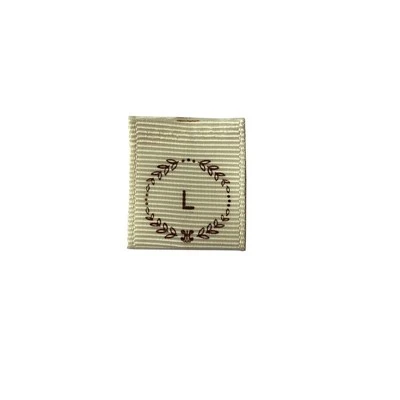
If you’re thinking about ordering custom woven patches for your next felt project—whether it’s a brand line, a craft, or just a personal project—hit me up to chat through the details. I can send sample patches, walk you through backing options, and make sure your patches stick (literally) to your felt perfectly. No weird forms, no sales jargon, just someone who knows their stuff and wants your project to look good.
Printing Patch References
- Textile Coatings and Adhesives for Apparel, Textile Institute, 2021
- Felt Fabric Characteristics and Attachment Methods, Journal of Craft and Textile Studies, 2022
- Woven Patch Design and Durability for Porous Surfaces, International Association of Custom Patch Manufacturers, 2023
Yiwu Lanying Garment Accessories Co., Ltd.
As one of the most professional woven patch manufacturers and suppliers in China, we’re featured by quality products and good service. Please rest assured to wholesale premium woven patch at competitive price from our factory. Customized orders are welcome.
Address: F1,NO.448, Majiaotang Village, Houzhai Street, Yiwu City, Zhejiang Province, China 322000
E-mail: zhangchunyingzi@126.com
WebSite: https://www.embroideredpatchfactory.com/
