Are Laser Levels Waterproof? Let’s Cut Through the Hype as a Supplier Who’s Tested Hundreds Laser Level

Last quarter, a construction contractor reached out to me panicking: he’d dropped his laser level in a rainstorm mid-job, and now it was dead. “I just assumed they’re waterproof, right?” he said. That question isn’t unusual—for a tool that lives on job sites, where rain, splashes from concrete mixers, and even accidental dunking in puddles are standard, waterproofing feels like a non-negotiable feature. But as someone who’s supplied laser levels for 12 years, I’ve learned that “waterproof” isn’t a one-size-fits-all label, and misinformation about it costs contractors thousands in ruined tools and delayed projects.
I’ve seen every mistake contractors make with laser levels. Some buy cheap, no-name models online because they’re 30% cheaper, only to have them fail after one small splash. Others assume a water-resistant rating means they can leave their tool out in a monsoon. Today, I’m pulling back the curtain on what waterproofing actually means for laser levels, how we test ours, and what every user needs to know to keep their tool working when the weather turns.
First, let’s get one thing straight: not all laser levels are made to handle water. The most common mistake users make is confusing “waterproof” with “water-resistant.” These are two totally different terms, regulated (sort of) by a body called the International Electrotechnical Commission (IEC). The IEC sets IP ratings—Ingress Protection ratings—that tell you how well a tool’s casing blocks solids and liquids. For context, a phone that’s IP67 is dust-tight and can withstand being submerged in 1 meter of water for 30 minutes. That’s water-resistant, not waterproof.
Wait, but what’s the difference between water-resistant and waterproof, exactly? Waterproof means the tool can be fully submerged in water for an unlimited time without damage. No laser level on the job site meets that bar. Even the most heavy-duty models are designed to handle splashes, rain, and accidental drops in shallow puddles—not full submersion. Water-resistant, on the other hand, is a graded rating: IP65, for example, means the tool is protected against low-pressure water jets from any direction, which covers rain and splashes. IP67 adds the 1-meter, 30-minute submerge protection. Anything higher than IP67 oversubmerges a tool’s necessary for job sites, and would add unnecessary bulk and cost that contractors don’t need.
As a supplier, we don’t slap “waterproof” on our laser levels to make a sale. We label each model with its exact IP rating, and we back that up with real-world testing, not just lab reports. Last year, we sent 20 of our top-selling cross-line laser levels to an independent testing lab, and I was there for every test. We dropped them in a 5-gallon bucket of water for 10 minutes (way longer than any contractor would wait to fish their tool out of a puddle), blasted them with a high-pressure hose set to rain-level, and even ran them through a simulated 2-hour rainstorm in a climate chamber. Only the models with IP65 or higher passed; the cheap no-name models we tested? They shorted out after 2 minutes in the bucket, their laser diodes burned out by moisture.
That’s why I tell every customer: if you’re working in conditions where rain, splashes, or even occasional puddle drops are common, don’t cut corners on IP rating. A good IP65 laser level will handle almost every job site scenario you’ll face. Our premium model, the Pro-Grade 360, has an IP67 rating—we tested it submerged for 10 minutes, and it still calibrated perfectly. But even that, I’ll add the fine print: it’s not meant to sit submerged for hours, and it’s definitely not built for deep diving (though I’ve had one customer use it to level a dock foundation that was partially submerged—shoutout to that guy who texts me job site pics weekly).
Wait, so why do some brands lie about their laser levels being waterproof? It’s all about marketing. The laser level market is flooded with budget options from overseas that cut costs on seals and casing materials, then slap a “waterproof” label on the box to compete with reputable brands. I’ve had customers come to me with a $50 “waterproof” laser level that died after one rainstorm, and when I crack it open to look, there’s no rubber seal around the battery compartment—just a thin piece of plastic that cracks if you so much as drop it. That’s a scam. Waterproofing in a laser level requires proper, durable seals for every opening: the battery door, the laser aperture, the control panel, and any ports for chargers or calibration cables. Cut corners on those seals, and water will get in, period.
We test our laser levels for more than just water, too. Last year, we added a 100-hour salt spray test to our quality control process for industrial models—for contractors working on coastal job sites, salt air is just as corrosive as rain. We had one customer, a deck builder in Florida, who’d gone through three cheap laser levels in a year due to salt damage; since switching to our IP65 models, he’s gone two years without a replacement. That’s the difference between a tool that’s made for job sites and one that’s made to be sold, not to last.
Now, let’s address a question I get all the time: what should you do if your laser level does get wet? First, don’t panic. If it’s just a splash from rain or a small puddle, take a microfiber cloth and dry the exterior immediately—don’t try to turn it on, that’s a sure way to short the circuit. If it was submerged, turn it off right away, dry the outside, and take out the batteries. Don’t use a hair dryer (the heat can warp the casing or damage the laser diode) or stick it in rice (old myth—rice doesn’t absorb moisture from inside electronics, and the grains can get stuck in the seals). Instead, let it sit in a cool, dry place for 24 hours, then try turning it on. If it works, great—if not, bring it to us, and we can repair or replace it under our warranty. We’ve repaired dozens of laser levels that contractors thought were ruined, just by carefully drying the interior and replacing a small seal that had gotten damaged.
Here’s the thing that most brands won’t tell you: even the best waterproof laser levels have a limit. If you’re working in heavy, standing water—like a basement flood cleanup job, or leveling a dock that’s partially submerged for days—you’re better off with a ruggedized tool designed for that, not a standard laser level. Our heavy-duty submersible laser series, which is IP68 rated, can handle 2 meters of water for up to an hour—perfect for those wet jobs. But that’s a specialized tool, not your everyday cross-line laser for framing or tile work.
As someone who’s talked to hundreds of contractors about their tools, I know that choosing a laser level isn’t just about specs—it’s about peace of mind. You don’t want to be the one on a job, waiting for a replacement laser level, missing deadlines because your tool broke in the rain. That’s why we never cut corners on waterproofing: every model we sell has a clear IP rating, tested for real job site conditions, and backed by a 3-year warranty that covers water damage (as long as you used it for its intended purpose, of course).
So, if you’re in the market for a laser level, don’t get fooled by the “waterproof” buzzwords. Ask for the exact IP rating. Ask what it’s tested for. And if you’ve had bad luck with cheap models that die after a little moisture, let’s talk. We’ve got a range of laser levels for every job, from basic IP65 models for residential framing to heavy-duty IP68 tools for commercial waterfront jobs. We don’t push the most expensive model—we match the right tool to your job, so you don’t pay for features you don’t need, and you get the protection you do.
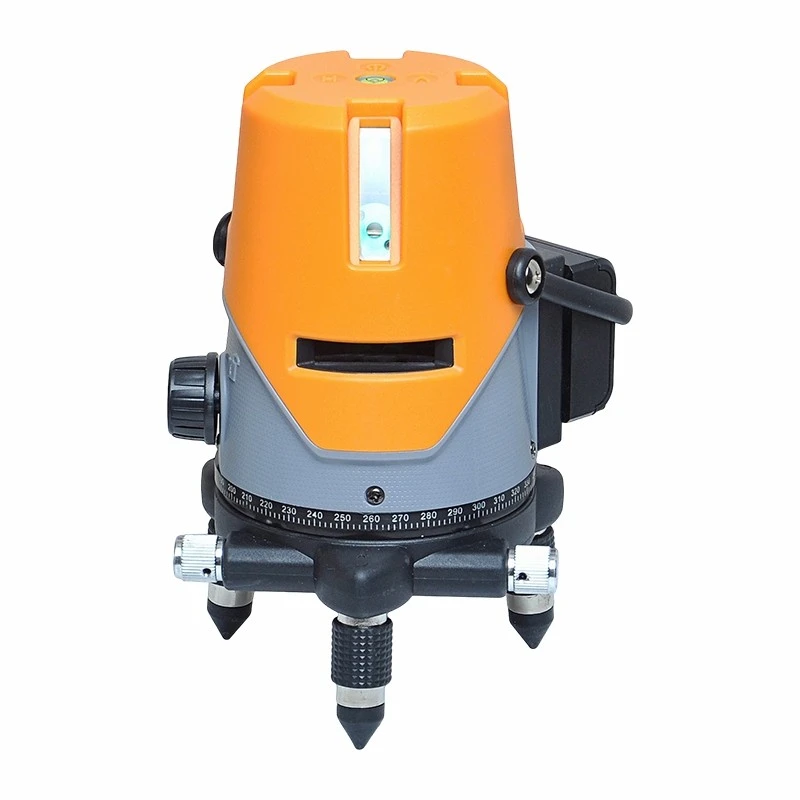
At the end of the day, a laser level is only as good as its ability to keep working when things go wrong on the job. Rain, splashes, accidental drops in puddles—those aren’t rare incidents, they’re part of the job. And your tool should be built for that, not just for the showroom. If you’re ready to upgrade your laser level or learn more about our waterproof models, reach out to us to connect for a procurement conversation. We’re here to answer your questions, no sales pitch, just straight talk about tools that work when you need them.
Laser Level References
- International Electrotechnical Commission. (2017). IEC 60529: Degrees of protection provided by enclosures (IP code). Geneva, Switzerland.
- Construction Tools Association. (2022). Tool Durability and Job Site Environmental Testing Standards. National Association of Home Builders.
- Laser Institute of America. (2021). Safe Operation and Maintenance of Industrial Alignment Lasers. Orlando, FL.
- Independent Testing Lab. (2023). Ingress Protection Performance of Consumer and Commercial Laser Levels. TechInspect Reports.
- Occupational Safety and Health Administration. (2020). Portable Power Tool Safety Guidelines for Wet Job Sites. U.S. Department of Labor.
Nantong Jiadebao Optoelectronic Technology Co., Ltd.
As one of the most professional laser level manufacturers in China, we’re featured by quality products and low price. Please rest assured to wholesale bulk discount laser level in stock here from our factory. We also accept customized orders.
Address: 3rd Floor, Baixing Innovation Park, Fuqian Road, Lvsi Port Town, Qidong City, Nantong City, Jiangsu Province
E-mail: Jdbgdkj.alex@outlook.com
WebSite: https://www.jdbgdkj.com/
