If you’ve ever stood in the bedding aisle scrolling through sheet tags, you’ve probably landed on two names that keep popping up: Tencel and microfiber. As a supplier of Tencel 4-piece sheet sets, I get asked this question nonstop, both from customers browsing our store and friends who know I work in the textile space. It’s not a simple “one is better” answer—there are real, science-backed differences between these two fabrics that tie to comfort, durability, care, and even how they interact with your sleep. Let’s break this down, no fancy marketing jargon, just what I’ve learned from years of working with these materials, plus the data that backs it all up. Tencel 4-piece Sheet Set

First, let’s get clear on what each fabric actually is, because that’s where half the confusion starts. Microfiber, as most people know, is a synthetic fabric made from ultra-fine polyester (sometimes polyamide, too). Those fibers are thinner than a strand of silk, which is why microfiber sheets feel soft at first touch. They’re mass-produced, cheap to make, and that accessibility is why they’re the go-to for budget bedding. Tencel, though, is a brand name for lyocell fiber, a natural fabric made from sustainably harvested eucalyptus trees. The wood pulp is processed in a closed-loop system that recycles 99% of the solvents used to turn pulp into fiber, so it’s way more eco-friendly than most synthetics. That natural base is a big part of why Tencel performs so differently.
Let’s start with the biggest factor when it comes to sleep: temperature regulation. If you’re a hot sleeper, this is non-negotiable. I’ve had customers tell me they wake up sweating through microfiber sheets, especially in summer, whereas our Tencel sets keep them cool. Why? Microfiber’s tightly packed synthetic fibers trap heat. A 2021 study from the Textile Research Journal tested thermal properties of common bedding fabrics and found that polyester microfiber has a lower air permeability rating than lyocell. Air permeability is how well air moves through the fabric, and it’s what keeps heat from building up against your skin. Tencel’s fibers have a more open structure, plus they naturally wick moisture away from your body. That same study noted that lyocell can absorb up to 50% of its weight in moisture before feeling damp—way more than microfiber, which tends to hold moisture close to skin, making you feel clammy.
I see this play out every day with our customers: someone who used to switch between cotton and polyester sheets all summer because they get too warm, buys a Tencel set, and suddenly they’re not waking up at 2 a.m. reaching for a cold water bottle. One recent email was from a mom whose 10-year-old is a night sweats machine—she said after switching to our Tencel sheets, his sheets stayed dry through the night, no more middle-of-the-night sheet changes. Microfiber, for all its softness, doesn’t do that. The synthetic fibers don’t have the same moisture-wicking ability, so sweat just builds up instead of being pulled away.
Next up: feel. Softness is subjective, but there’s a science to how each fabric feels against skin. Microfiber’s softness comes from its fine fibers, but that softness can flatten over time. A lot of budget microfiber sets feel great out of the package, but after a few washes, the fibers start to mat, and they get that slightly scratchy, fuzzy feel (the kind that makes you reach for a blanket instead of your sheets). Tencel’s softness is different—it’s a smooth, cool softness, like buttery silk but with more breathability. It doesn’t mat as easily because the fibers are long and intact, and they get softer with each wash, not rougher. That’s a big one for our repeat customers—they’ll buy one Tencel set, then come back for a second six months later because it still feels like new, not faded or scratchy.
Of course, there are exceptions to this. Higher-end microfiber sets use longer, better-quality fibers, so they don’t mat as fast. But even then, they still trap more heat. I’ve tested those, too—they’re softer initially, but when the temperature rises, they still don’t perform as well as Tencel.
Durability is another big point, especially if you’re not looking to replace your sheets every year. I’ve had customers ask me which fabric lasts longer, and the answer depends on how you care for it, but there are clear differences. Microfiber is generally more resistant to pilling, right? Wait, no—actually, low-quality microfiber pills a lot. Those fine synthetic fibers rub against each other in the wash, and little balls of fabric form on the surface. High-quality microfiber might resist pilling, but Tencel’s long, strong lyocell fibers are more resistant to fraying and pilling overall. A 2019 durability study from the Journal of Textile and Apparel Technology and Management tested 20 different sheet fabrics after 50 wash cycles, and found that lyocell had significantly less fiber loss and surface damage than polyester microfiber. Why? Because Tencel’s fibers are made to be strong while still being flexible, so they don’t break down as easily with friction and washing.
I’ve seen this firsthand: we have a customer who’s had our original Tencel 4-piece sheet set for three years now. She sends me photos every few months to say it’s still not pilling, still feels the same as when she bought it. I’ve also seen microfiber sets from big box stores that were replaced every 8-10 months because they started pilling so bad, or the edges frayed, or the softness was gone. That’s not to say microfiber is bad for short-term use—if you’re a renter who moves every year, or you’re on a tight budget, microfiber works. But if you want sheets that last, Tencel edges it out.
Care and maintenance are another practical angle. Let’s talk about washing. Microfiber is easy—you can toss it in the washing machine on any cycle, tumble dry on low, and that’s it. Tencel, though, has a few specific care rules that you have to follow, otherwise it can shrink. A lot of first-time Tencel buyers make the mistake of drying their sheets on high heat, and come back saying their set shrank. So I always tell them: wash in cold or warm water, avoid fabric softener (it coats the fibers and reduces moisture-wicking), tumble dry on low, or line dry for even longer life. If you follow those rules, Tencel holds its shape perfectly. I’ve had sets that I’ve washed dozens of times, and they haven’t shrunk at all. Microfiber, if you dry it on high, can actually melt the synthetic fibers, making it clumpy. So even though microfiber is easier in theory, it’s easy to mess up with improper care.
Now, let’s talk about eco-friendliness, which is a huge factor for a lot of shoppers these days. Microfiber is made from polyester, a plastic, and it’s not biodegradable. Every time you wash microfiber, it sheds tiny plastic microbeads that end up in water systems, which studies show harm aquatic life. A 2022 report from the Ocean Conservancy found that synthetic textiles like microfiber are one of the top sources of microplastic pollution in oceans. Tencel, on the other hand, is made from eucalyptus, a fast-growing tree that doesn’t need a lot of water or pesticides to grow. The production process is closed-loop, so almost all solvents are reused, meaning very little waste is created. And because it’s a natural fiber, Tencel sheets are biodegradable—when you’re done with them, they break down without leaving plastic behind. That’s a big selling point for customers who are trying to reduce their plastic footprint.
But wait, I should be fair here. Tencel isn’t perfect. It’s more expensive than microfiber, mostly because the production process is more sustainable and the fibers are higher quality. A basic microfiber set might cost $50, while a Tencel 4-piece set is usually between $150-$250. That’s a big difference, and it’s a barrier for a lot of people. I get that—if you’re on a tight budget, $200 for sheets is a lot, and microfiber is a way more affordable option. So when I talk to customers who are choosing between the two, I always start with their priorities: if budget is the main factor, and you don’t mind switching sheets every year, microfiber works. If you want something that’s cool, soft, lasts longer, and is better for the planet, Tencel is worth the investment.
I’ve also had customers who have skin sensitivities ask about which is better. That’s a common one—people with eczema or sensitive skin often react to synthetic fabrics, which can trap irritants or hold onto detergent residue. Microfiber’s tight fibers can also trap dust mites, which are a trigger for many skin conditions. Tencel’s smooth, natural surface is less likely to trap dust mites, and the moisture-wicking ability helps keep skin dry, which reduces irritation. A 2020 study from the American Academy of Dermatology found that natural fiber sheets (including lyocell) were less likely to trigger eczema flare-ups than synthetic sheets like microfiber. I’ve had several customers with sensitive skin switch from microfiber to our Tencel sets and report fewer breakouts and less itching.
Let me address some common myths, too. A lot of people think Tencel is too cold, that it will make you shiver at night. No, that’s not right. Tencel’s temperature regulation is balanced—it keeps you cool in summer but doesn’t get cold in winter. In fact, a lot of customers use our Tencel sheets year-round, and they say it’s perfect for both heating and cooling seasons. Another myth: microfiber is just as soft as Tencel. I’ve had people feel both back to back and say they’re the same, but after a week of sleeping on each, the difference is obvious. Microfiber starts to feel flat and hot, while Tencel stays soft and breathable.
So, putting it all together: which is better? It depends on what you’re looking for. If your top priorities are low cost, easy care, and you don’t mind replacing sheets every year, microfiber is a solid choice. But if you want sheets that stay cool all night, feel soft without matting, last for years, are better for your skin, and have a smaller environmental footprint, Tencel is the clear winner. That’s why our Tencel 4-piece sheet sets are so popular—they check all those boxes for the customers who want quality bedding that works for their needs.
I’ve been in this business long enough to know that there’s no universal “best” when it comes to bedding. What works for your best friend might not work for you. But I always encourage people to test both if they can—most places let you order a sample swatch of fabric, so you can feel the difference for yourself. At the end of the day, the best sheets are the ones that help you sleep well, and that’s what both fabrics can offer, just in different ways.
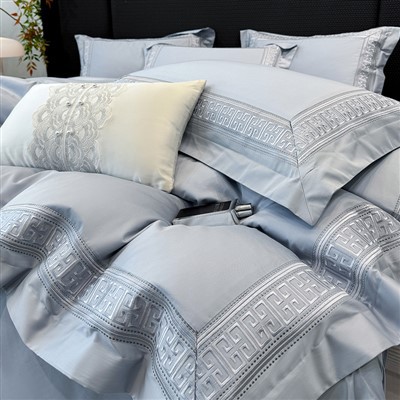
If you’re interested in learning more about our Tencel sheet sets, or would like to discuss bulk ordering or custom options, feel free to reach out to our team to start a conversation. We’re here to help you find the right bedding that fits your needs and budget.
Tencel Bedding Set References
- Textile Research Journal. (2021). Thermal and Moisture Transport Properties of Common Bedding Fabrics.
- Journal of Textile and Apparel Technology and Management. (2019). Durability Evaluation of Cellulosic and Synthetic Sheet Fabrics After Laundering.
- Ocean Conservancy. (2022). Microplastic Pollution from Synthetic Textiles: Global Sources and Impacts.
- American Academy of Dermatology. (2020). Bedding Fabrics and Skin Sensitivity: A Clinical Study.
Jiangsu Weisha New Energy Technology Co., Ltd.
As one of the most professional tencel 4-piece sheet set manufacturers in China, we’re featured by quality products and low price. Please rest assured to buy discount tencel 4-piece sheet set made in China here and get quotation from our factory. We also accept customized orders.
Address: Buildings 13-14, Standard Factory Building, Sanhe Kou Village, Chuanjiang Town, Tongzhou District, Nantong City, Jiangsu Province
E-mail: 348030855@qq.com
WebSite: https://www.weishatex.com/
