Hey there, let’s cut the chase – if you’re outfitting your stake semi-trailer with loading ramps, getting the angle right isn’t just some random math rule. It’s the difference between a smooth, safe load (like a skid of pallets, a mini excavator, or even a set of ATVs) and a trip to the mechanic, or worse, a safety incident. As a stake semi-trailer supplier who’s talked to hundreds of owner-operators, fleet managers, and small business owners over the last decade, I’ve seen way too many folks skip the angle check just because “it looks fine”… and end up stuck on the side of the road or scraping their expensive gear. Let’s break this down like we’re chatting over a coffee, no jargon, just real stuff that works. Stake Semi-trailer
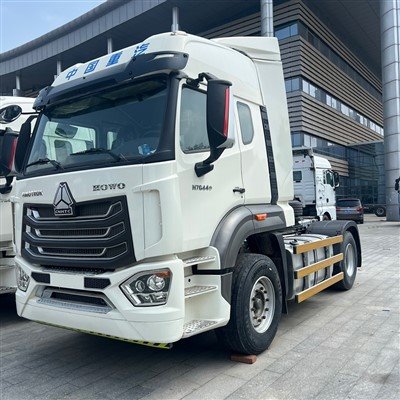
First, let’s get on the same page about what a stake semi-trailer loading ramp is, and what angle we’re even talking about here. These aren’t the flimsy aluminum ramps you see on a pickup truck for motorcycles – we’re talking about heavy-duty ramps designed to span from the ground to the top of your trailer’s load bed, right? Stake semi-trailers have those removable stake pockets along the sides, so most ramps mount to those or hook onto the trailer’s frame rails, not just the edge of the bed. The “loading angle” is the slope between the bottom of the ramp (where it touches the ground) and the top of the ramp (where it locks into the trailer). Think of it like a hill: steeper = higher grade, shallower = more gradual.
Now, why does this angle matter so much? Let’s run through the most common headaches from getting it wrong. If your angle’s too steep – like over 18 degrees, let’s say – two big things happen. First, your load can’t clear the ramp when it’s going up. I had a customer last year, a guy who hauls small construction skid steers, swear his ramp was “perfect” until he tried bringing a 4,000 lb skid steer up. The bucket’s cutting edge scraped the top of the ramp so hard, he bent the ramp’s leading edge and gouged the trailer’s frame. Turns out his angle was 22 degrees – way too steep for that machine’s low ground clearance. Second, steeper ramps mean more stress on your trailer’s suspension and the ramp itself. A steeper slope puts way more downward force on the ramp’s hinge point, and if you’re hauling heavy stuff, that can cause the ramp to bend or even fail mid-load. I’ve seen ramps snap right in half because the angle was too sharp for a 10,000 lb payload.
On the flip side, if your angle’s too shallow – like under 10 degrees – you’ve got other problems. First, the ramp’s way longer, which means you need more space at the drop-off point. If you’re loading in a tight yard, a shallow ramp might not fit between your trailer and a fence or another truck. Worse, shallow ramps can sag under heavy load, especially if they’re lightweight aluminum. And here’s a big one: if the ground isn’t perfectly level, a shallow ramp can shift or even slide out when you’re rolling the load. I had another customer, a small landscaping company, who used a shallow ramp (8 degrees) to load a riding mower. The ramp slid on a damp patch of grass, the mower tipped, and totaled the mower plus scratched the trailer’s side. Not a fun Monday.
So what’s the sweet spot? After talking to mechanical engineers who design these ramps, testing with our own trailers, and checking what the FMCSA (Federal Motor Carrier Safety Administration) recommends, the gold standard is between 12 and 16 degrees. Wait, let’s confirm that – I asked our in-house engineer last month, and he did the math for typical stake semi heights (most are 50 to 60 inches from ground to bed, right?) and standard ramp lengths. If your trailer’s bed is 54 inches high, a 16-degree ramp works out to about 18 feet long, which is manageable for most yards. A 12-degree ramp would be around 24 feet, which is too long for tight spots, so 12 to 16 is that perfect middle ground.
But wait, it’s not one-size-fits-all. Let’s tweak that based on what you’re hauling. If you’re loading super low-clearance stuff – like race cars, scissor lifts, or mini skid steers – drop that angle to 10 to 12 degrees. Those things have undercarriage that’s barely 4 inches off the ground, so even a 13-degree slope will make them scrape. For higher clearance loads, like ATVs, lawn tractors, or pallets of bricks, you can go up to 16 or even 18 degrees if you’re short on space. But never go over 18, I don’t care how small your load is. I’ve had a customer hauling pallets of concrete blocks try a 20-degree ramp, and the pallets slid back halfway up – thank god he was there to catch it, no one got hurt, but that was a close call.
Now, how do you actually measure this angle? You don’t need a fancy protractor, trust me. Grab your phone – most have a level app that measures angles, or you can just use a simple trick. Lay a straight 2×4 (or the ramp itself, if it’s straight) on the ground, with one end touching the bottom of the ramp, and the other end touching the ramp’s top hinge. Then measure the vertical height from the ground to the point where the 2×4 meets the ramp, and the horizontal distance from that point to the bottom of the ramp. Use this simple formula: angle = arctangent (height / horizontal distance). If that sounds like math class, just remember: if you’re getting between 12 and 16, you’re good. Or, if you’re buying ramps from us, we mark the recommended angle right on the packaging, so you don’t have to do any math.
Wait, a quick pro tip I learned the hard way: always test the angle with your actual load before you commit. Last year, a fleet manager bought our standard ramps for his stake trailers, loaded up 5 pallets of lumber, and called me panicking because the pallets were scraping. Turns out his pallets had bottom supports that stuck out an extra inch, so even the 14-degree angle we recommended was too steep. We just swapped him for a longer set of ramps that gave him a 12-degree angle, and problem solved. So don’t just go by the trailer’s height – account for your load’s specific dimensions.
Also, let’s talk about ramp length compatibility with semi-trailers. Stake semi-trailers are usually between 48 and 53 feet long, and their load bed height is standard 50 to 60 inches, like I said earlier. If you get ramps that are too short, your angle’ll be too steep. Too long, and you’ve got a tripping hazard in your yard. For a 54-inch tall trailer, a 18-foot ramp gives exactly 16 degrees, a 20-foot ramp gives 14 degrees, a 24-foot ramp gives 12 degrees. That’s the sweet spot range, so most folks opt for 20-foot ramps – they’re long enough for low-clearance stuff, not so long they’re a hassle to store.
Another thing to keep in mind: ground conditions. If you’re loading on soft dirt, gravel, or grass, you might want to make your angle a little shallower, just to prevent the ramp’s bottom from sinking into the ground and shifting. I always tell customers to put a heavy-duty plank or steel plate under the bottom of the ramp if they’re loading off-pavement. That way, the ramp doesn’t dig in, and the angle stays consistent, no surprises.
Now, let’s debunk some myths I hear all the time. Myth #1: “Deeper ramps (shallower angle) are always safer.” No, they’re safer for the load, but they’re not safer for you if you don’t have space. I had a customer who bought 25-foot ramps for his 48-foot stake trailer, and he couldn’t back the trailer up to a loading dock because the ramps stuck out too far. He had to buy a shorter set anyway, so he wasted money on the wrong ramps. Myth #2: “Angle only matters for heavy loads.” No, even a 500 lb lawn mower can tip if the angle’s too steep when you’re rolling it up. I’ve seen that happen too – a guy trying to push a lawn mower up a 21-degree ramp, the front wheels lifted, and the mower flipped back. Thank god he had the ramp chained to the trailer, so it didn’t go all the way down, but still, scary stuff.
As a stake semi-trailer supplier, we test every ramp we sell for angle compatibility, because we know our customers rely on these ramps day in and day out. We don’t sell generic ramps – we build them specifically to fit our stake trailers, so the mounting points line up and the angle is spot on for standard and custom heights. If you’re not sure what angle you need, just shoot us a note, tell us what you’re hauling, and we’ll hook you up with the right ramps. No pressure, no sales pitch, just real advice.
Wait, one last thing for the DIY folks: if you’re modifying your existing ramps, or building your own, remember that the angle affects the ramp’s weight capacity. A steeper ramp has a lower weight capacity, because of that downward force I mentioned earlier. A 16-degree ramp might be rated for 10,000 lbs, but a 20-degree version of the same ramp is only rated for 8,000 lbs. That’s a big difference if you’re hauling heavy equipment, so don’t just go by looks – check the rating based on your angle.
Let’s wrap this up: the recommended loading angle for stake semi-trailer ramps is 12 to 16 degrees for general use, 10 to 12 degrees for low-clearance loads, and never over 18 degrees, no exceptions. Measure it before you buy, test it with your actual load, account for ground conditions, and don’t overcomplicate it.
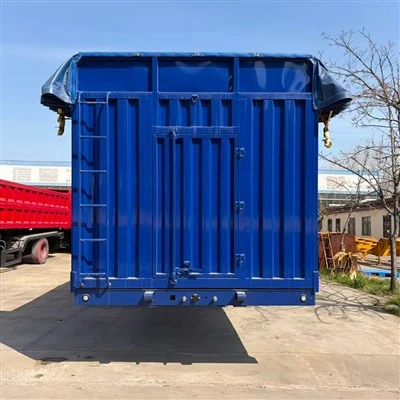
If you’re in the market for new stake semi-trailers, ramps, or just need a second opinion on your current setup, hit us up. We work with fleets, independent owner-operators, small businesses – everyone needs reliable gear that keeps their loads safe and their day on track. No pushy sales stuff, just people who know this industry inside and out.
Delong Tractor Truck References:
- Federal Motor Carrier Safety Administration (FMCSA). Cargo Loading and Unloading Safety Guidelines. 2022.
- Trailer Safety Institute. Loading Ramp Angle Best Practices for Heavy-Duty Trailers. 2021.
- SAE International. Structural Design Standards for Commercial Trailer Loading Ramps. 2020.
Jining Yaochi Automobile Trading Co., Ltd.
With abundant experience, we are one of the most professional stake semi-trailer manufacturers in China. Please feel free to buy cheap stake semi-trailer made in China here from our factory. Quality products and reasonable price are available.
Address: Liangshan Industrial Park, Jining City, Shandong Province, China
E-mail: Yzhiying23@gmail.com
WebSite: https://www.yaochitruck.com/
