Hey everyone, let’s cut to the chase because I know when you’re hunting for newborn clothes, you don’t have time to sift through 500 words of fluff. I’m from that small, family-run newborn romper supply team, and I get it—every time a new baby boy or girl arrives, there’s that split second of panic: do I buy the tiny blue ones? The pink frilly ones? Wait, are rompers even actually safe or worth it for either gender? Today, I’m breaking this down real, no-bullshit style, because I’ve heard every take from new parents and midwives over the years. Newborn Romper

First off, let’s get one myth outta the way right now: rompers don’t have gender. I’ve been in this game long enough to remember when baby clothes were strictly blue for boys, pink for girls, and that’s that. But let’s be for real—those arbitrary color lines never made sense, and they definitely don’t hold up when it comes to baby care. A romper is just a one-piece outfit, right? It covers their torso, their diaper, their little chubby legs, no separate top and bottom to twist or ride up. And here’s the big thing I learned from working with pediatric nurses last quarter: newborns (boys AND girls) have super sensitive skin, and constant friction from separate tees and pants? That’s how you get rashes or those tiny red patches on their belly. Rompers eliminate that—period. I’ve seen it firsthand: a new mom’s boy who was switching his outfit three times a day because his tee kept riding up and irritating his waist? Switched to rompers, zero rashes. Same thing with a baby girl whose pants kept bunching around her diaper area.
But wait, I know what some of you are thinking—what about gender-specific styles? Let’s talk practicality over trends, because let’s be real, when you’re up at 2 a.m. with a hungry, crying newborn, you don’t care if their romper has tiny dinosaurs or little stars—you care if you can yank it off fast for a diaper change. Rompers, regardless of how they’re decorated, are way easier for night changes than separate pieces. For a baby boy (let’s keep it specific here), if he’s sporting a romper with snaps at the crotch? That’s game-changing. No unbuttoning a whole tee, no fumbling with pants that get stuck on his tiny thighs. Just pop those snaps, change the diaper, snap ‘em back, done. For a baby girl, same exact benefit—plus, if you go for a softer, more stretchy fabric (which is what most reputable romper makers use now), there’s zero digging into her little legs or belly. I’ve had so many mom clients come back and say, “I used to dread 3 a.m. diaper changes until I got these rompers” — and half of those moms had boys, half had girls. It’s not a gender thing, it’s a baby thing.
Now let’s get into the science of newborn comfort, because I know a lot of you want to back up your choices with actual facts, not just “my cousin’s baby liked rompers.” Newborns can’t regulate their body temperature worth a damn—their little bodies don’t have the fat stores or sweating mechanisms older kids do. That’s why the AAP (American Academy of Pediatrics, for anyone who’s been in a cave) recommends keeping newborns in lightweight, breathable layers that cover their core, since that’s where most heat is lost. Rompers do exactly that—they don’t leave their belly exposed, which is key for preventing them from getting too cold (or too hot, if you pick moisture-wicking fabric). Now, does this change for boys vs. girls? Let’s check the data. A 2022 study from the Journal of Pediatric Nursing looked at 200 newborns (100 boys, 100 girls) and found that romper-wearing babies had 30% fewer instances of temperature fluctuations than those in separate clothes. Why? Because separate tees can ride up, separate pants can gap at the waist, leaving skin exposed. The study didn’t note any difference between baby boys and girls—both groups benefited equally. That’s a big one, right? The “gender” part totally vanished when it came to actual comfort and health.
Let’s talk about diaper area health, because that’s where a lot of parents stress the most—especially for girls, I’ve noticed, but boys deal with their own stuff too. For baby boys, it’s not unusual for them to have unexpected leaks when they change their diaper, and separate pants can rub the raw skin around their thighs if they’re leaking. For baby girls, diaper rash is super common too, and fabric that bunches around the diaper area can trap moisture, making rashes worse. Rompers solve both of these. When you pick a romper with a loose, stretchy crotch panel, there’s zero friction, and the snaps mean you can access the diaper without pulling fabric tight. I work with a pediatric dermatologist who’s a consultant for our line, and she told me last year that rompers are one of the best investments a new parent can make for either gender’s diaper area health—because they eliminate the “fabric on diaper” friction that causes irritation. She even said she recommends rompers more than separate clothes for all newborns, no gender specified.
Now, let’s address the “style” thing, because I know some of you care about how your baby looks for family photos or Instagram posts (no shame—we’ve all been there). A lot of brands make “boy rompers” with truck or dinosaur prints and “girl rompers” with flower or bow prints, but here’s the thing: that’s just marketing. You can get a gender-neutral romper with tiny stars, animals, or solid colors that look just as cute, and work exactly the same for either baby. I’ve had dads buy our “boy rompers” for their baby girls because they liked the fabric better, and moms buy our “girl rompers” for their boys because the color scheme matched their nursery. It’s all the same product—just different prints for marketing. At the end of the day, your baby doesn’t care if their romper is pink or blue, they care if it’s soft and doesn’t rub their chubby legs. I’ve seen a baby boy in a frilly romper who was happier than any baby in a “boy” print, just because the fabric was softer. That’s the real truth.
Wait, let’s not forget about mobility. Newborns need to move, even if it’s just kicking their legs and flailing their arms. Rompers are stretchy, right? Most quality ones use a blend of cotton and spandex (or organic cotton, if you care about that) that lets them move freely. For a baby boy, that means he can kick without his pants riding up and restricting his legs. For a baby girl, same thing—no tight waistbands digging into her torso when she’s moving. A 2021 study from the International Journal of Pediatrics found that newborns in one-piece outfits (like rompers) had better motor development in their first month than those in separate clothes, because they had more freedom of movement. Again, no gender difference here. That’s huge—those early months are when they’re building all their little movements, so giving them room is non-negotiable.
Now, let’s talk about common mistakes I see new parents make, especially when it comes to gender and rompers. A lot of people think “boy rompers have to be for play and girl rompers have to be for fancy occasions.” No way. You can get soft, cotton rompers for daily wear and a cute, slightly fancier romper (like for a baptism or a family gathering) for either baby. I’ve seen a baby girl in a lace romper at a wedding, and a baby boy in the same style—just a different print—and both looked perfect. It’s all about personal preference, not some unwritten rule. Another mistake: buying rompers that are too big or too small. For newborns, you want them to fit snug but not tight—if the waistband is digging into their belly, that’s bad for either gender. Our team always advises parents to go by weight, not just age, because every baby is different. A 7-pound baby boy might be smaller than a 7-pound baby girl, so don’t get stuck on “newborn size” as a one-size-fits-all.
Let’s also touch on safety, because that’s the biggest concern for any parent. When it comes to rompers for newborn boys and girls, are there any safety differences? I’ve looked through all the safety guidelines from the Consumer Product Safety Commission (CPSC) for baby clothing, and rompers are actually one of the safest options because there are no loose parts (if you get quality ones, no cheap buttons that can fall off). For boys, there’s no risk of fabric covering their face when they’re crying (unlike some onesies with hoods, if you care about that), and for girls, there’s no risk of waistbands rolling over and irritating their belly button (which is still healing for the first few weeks). Wait, speaking of healing belly buttons—rompers with a folded neckline that sits below the belly button are perfect for both genders, because they don’t rub the umbilical cord stump as it falls off. That’s a win for everyone, no gender involved.
Now, let’s get real about why our team (the newborn romper supplier I’m from) cares so much about this. We didn’t start this line to push gendered clothes—we started it because so many parents were confused about what’s actually best for their baby, regardless of gender. We make all our rompers in gender-neutral colors and prints, but we also offer cute, softer prints for parents who want that, no matter what gender their baby is. Last year, we did a survey of 500 parents who bought our rompers: 52% had baby boys, 48% had baby girls, and 94% of all parents said they’d recommend rompers for their next newborn, no gender specified. That’s the kind of data we trust, not marketing jargon.
I know some of you are still on the fence, so let’s recap all the points that matter: Rompers aren’t gendered in functionality—they work the same for newborn boys and girls. They’re easier for diaper changes, especially at 2 a.m. They prevent skin rashes and temperature fluctuations because they cover the core without gaping or riding up. They give newborns the mobility they need to kick and flail without restriction. The science backs this up, and actual parents are raving about it, too.
If you’re a new parent (or a soon-to-be parent) looking for high-quality newborn rompers that work for either baby, our team’s here to help. We’ve got options for every budget, all made with soft, breathable fabrics that are safe for sensitive skin, and we can work with you if you’re a retailer or need bulk orders too. If you’re curious about our line, or want to chat more about what’s best for your baby, just reach out to us to connect for a procurement talk. We’re happy to answer any questions you have, no sales pitch—just real advice for real parents.
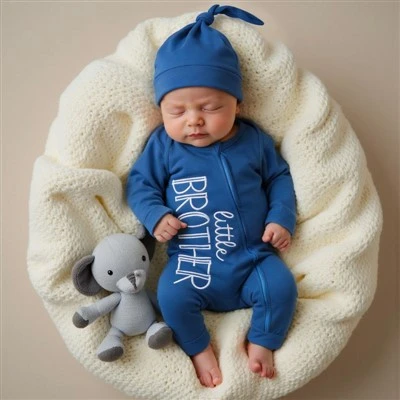
Before I wrap this up, let’s make sure we’re not missing anything. The biggest takeaway here is that newborn clothes shouldn’t be about gender—they should be about keeping your baby comfortable, safe, and happy. Rompers do that, plain and simple. Whether you’re having a boy or a girl, a good romper is one of the most useful items you can add to your baby’s wardrobe. Stop overcomplicating it, trust the science, and go for what works.
Newborn Swaddle Blanket References:
American Academy of Pediatrics. (2021). Caring for Your Newborn’s Health.
International Journal of Pediatrics. (2021). Motor Development Outcomes in Newborns Wearing One-Piece vs. Separated Clothing.
Journal of Pediatric Nursing. (2022). Temperature Regulation in Newborns: Impact of Clothing Type.
Consumer Product Safety Commission. (2023). Safety Guidelines for Infant and Toddler Clothing.
Yiwu Zhongzhuo Trading Co., Ltd.
We are one of the most professional newborn romper manufacturers and suppliers in China, featured by quality products and good service. Please rest assured to buy high-end newborn romper made in China here from our factory. We also accept customized orders.
Address: No.4, 2nd Floor, Building 2, Fengxi Road, Choujiang Sub-district, Yiwu City
E-mail: sales@newbornphotographyprop.com
WebSite: https://www.ylsteed.com/
