Hey there, fellow dog parents and maybe even someone just dipping their toes into the electric dog fence world—let’s cut to the chase today, okay? I’m not here to throw a bunch of jargon at you or act like I know everything (even though I’ve spent the last 7 years working for an electric dog fence supplier, which means I’ve fielded every weird, wonderful, and stressful question under the sun about these things). Today’s topic is one I get at least three times a week: “Can I move my electric dog fence to a new yard?” Electric Dog Fence

First off, I’m gonna level with you: it’s not a simple yes or no. If you’re relocating, whether it’s across the street or a whole new state, there’s a lot more to it than just grabbing your wire and rolling it up. Let me break this down like I would for my next-door neighbor who’s about to move and just texted me panicking about their golden retriever, Max, who’s super attached to the current fence.
Wait, let’s start with the basics. When we install an electric dog fence, we’re basically laying a perimeter wire around your yard that’s connected to a transmitter, right? The collar on your pup picks up the signal from that wire. When you move, that entire setup has to adapt to a whole new space. But here’s the thing—some people think it’s like moving a couch, just pick it up and plop it down. Nope. That old wire might not work in a new yard, and that collar might need a tweak too.
Let’s talk about the first big question: is your new yard even compatible? I’m not talking about size (though that matters) but stuff like underground utilities, big trees, even other electronic devices. For example, if your new neighbor has a huge metal shed sitting on their property line, that can interfere with the fence signal way more than a regular wooden fence. Or if there are underground gas lines or water pipes where you thought you’d run the wire? You can’t just dig wherever. That’s why the first step, hands down, is mapping out your new yard before you touch a single spade. I always tell people to grab a tape measure, a notebook, and even take photos—visuals help so much. Mark where your dog’s favorite spots are (like the spot by the back deck where they sunbathe), where you want the entry/exit points (front gate, back door), and any obstacles that could mess with the wire.
Now, the actual moving part. If your old fence was a traditional wired system (not wireless, by the way—we’ll get to that in a sec), can you reuse the wire? Short answer: sometimes. But I’ve seen way too many people drag that old wire across town, only to find it’s kinked, damaged, or has a bunch of nicks in it that cause signal gaps. That’s a big no-no. A signal gap in an electric dog fence is like a hole in a net—your dog can easily run right through it and get lost, or worse, get confused when the collar beeps unexpectedly. So if your old wire is in good shape, maybe you can save a few feet, but more often than not, you’re gonna need to run new wire for the new yard. It’s not as expensive as you think, and trust me, it’s worth not having to chase your Lab around a new neighborhood.
Wait, what about wireless electric dog fences? Those are the ones that use a circular signal from a transmitter, right? Moving those is a little different, but still not plug-and-play. If you move a wireless fence to a new yard, the range that worked at your old house might be totally off. For example, if your new yard is bigger, the old transmitter can’t cover enough ground. Or if there are walls or metal things in the new house that block the signal (like a concrete foundation or a big stainless steel fridge in the basement), you might need to adjust the transmitter’s settings or even add an extra device to boost the signal. I had a customer last year who moved to a house with a finished basement and thought his wireless fence would work the same—turns out the basement wall blocked 30% of the signal, and his puppy was escaping through the side yard. We had to add a signal booster, and it fixed everything.
Now, the part most people stress about: their dog. Let’s be real, you don’t want to go through all this trouble just for your pup to not get the hang of the new fence. I can’t tell you how many times I’ve heard, “My dog already knows the old fence—why would they mess up the new one?” Here’s the thing: dogs rely on consistency, but they also rely on the signal being in the right place. The old yard’s perimeter is muscle memory for your dog, but the new yard is a whole new map. That means you can’t just move the fence and let them go—you have to retrain them.
Wait, how long does that take? Every dog is different, but I’d say plan for 1-2 weeks of short, supervised sessions. Don’t let them roam the whole new yard unsupervised at first. Start by walking them on a leash along the new perimeter wire. When they get close to the wire, if they get the warning beep, show them that if they turn away from the beep, they’re safe. Use treats and praise like crazy—positive reinforcement works way better than scolding. I always tell people to do this at their dog’s favorite times, like after breakfast when they’re super happy, so they associate the new fence with good stuff. I once had a customer with a stubborn Beagle named Buster who took three weeks to get it, but now he’s way more reliable on the new fence than he was on the old one. Go figure.
Another big mistake people make when moving their fence: not checking the transmitter. The transmitter is the brain of the whole operation, right? If you’re moving to a new area with a different power outlet (like if you move internationally, or even just to a state with different voltage? Wait, most of the time in the US outlets are standard, but still), you might need a converter. Or if the old transmitter was made for a yard smaller than your new one, it can’t handle the extra distance. We’ve had customers bring in old transmitters that are 10 years old, and when they move, the signal is weak because the transmitter is worn out. It’s worth testing the transmitter before you move—take it to a friend’s house or set it up in your old garage and run a signal test. If it’s acting up, replacing the transmitter is cheaper than dealing with a fence that doesn’t work in your new yard.
Wait, what about common myths here? Let’s bust one right now: “I can just extend the old wire to cover the new yard.” No, that doesn’t work. The transmitter is calibrated for a certain length of wire. If you add more wire than it’s designed for, the signal gets weaker, and parts of the perimeter won’t work. It’s like trying to run a phone charger that’s too long—you don’t get as much power, and it might not charge right. Same with the fence wire. You need to either calculate how much wire your new yard needs (we have a free calculator on our site, by the way—no shame in using it) or call a pro if you’re not good with measurements.
Another myth: “My dog’s old collar will work in the new yard.” Collars are tuned to a specific frequency, right? If your new fence uses a different frequency than the old one (some systems use unique frequencies to avoid interference with neighbor’s fences), then the old collar won’t pick up the signal. Even if it’s the same frequency, the level of the signal in the new yard might be different, so the static correction (if that’s how your system works) might be too weak or too strong. You can’t just swap collars willy-nilly. Most of the time, you’ll need a new collar for the new setup, or at least a collar adjustment. I always tell people to bring their old collar if they’re coming to us for new stuff—we can test it to see if it works, instead of just buying a new one unnecessarily.
Wait, what about if the new yard has a lot of hills or dense trees? I’ve been there. A friend of mine lives in a hilly area, and when he moved, his old fence wire kept having signal issues because the wire went down a slope, and the trees blocked the signal. In that case, we suggested using a thicker gauge wire that’s more durable, or even adding signal repeaters to make sure the whole perimeter is covered. Trees are a big one—deciduous trees lose leaves in the fall, but evergreens can block signal year-round. That’s why mapping the new yard upfront is so important—you can spot those issues before you dig the wire.
Let me also talk about something that’s easy to overlook: local laws and HOA rules. A lot of people don’t realize that some neighborhoods or cities have rules about electric dog fences. For example, some HOAs don’t allow them because they think they’re unsightly, or some cities require that the fence is set back a certain distance from the property line. When you move, don’t just assume it’s allowed—call your HOA or check the city website before you buy any wire or a transmitter. I’ve had customers who spent $300 on a fence only to find out their new HOA bans electric fences. Save yourself the hassle—ask first.
Now, let’s get into the step-by-step stuff that actually works, from someone who’s helped dozens of people move their fences. First, before you move:
- Map your new yard, mark entry points, obstacles, and the areas your dog uses most.
- Check local rules and HOA guidelines about electric dog fences.
- Test your old transmitter, wire, and collars to see what’s reusable.
- Calculate how much new wire you need (our calculator takes 2 minutes).
- Pick up any extra supplies you might need—signal repeaters, thicker wire, whatever.
Then, when you’re setting up in the new yard:
- Dig the trench for the new wire (or use the no-dig wire if you don’t want to dig—great for renters!).
- Connect the wire to the transmitter, make sure all connections are tight.
- Test the entire perimeter with a test meter (most good suppliers sell these, or you can borrow one). Walk along the whole wire with the test collar to make sure the beep is consistent everywhere.
- Adjust the transmitter settings to match the size of your new yard.
- Start the retraining process with your dog—supervised, short sessions, lots of treats.
Wait, and one pro tip from me: take photos of your old fence setup before you move. Like, mark where the wire was buried, how the transmitter was set up, what settings you used on the collar. That way, if something goes wrong in the new yard, you have a reference. I had a customer who moved and forgot how deep to bury the wire (it’s usually 2-3 inches, right? Shallow enough that it’s not a hassle, deep enough that the dog can’t dig it up) and ended up digging up his new lawn. Having a photo of the old setup would’ve saved him a trip to the garden store for more topsoil.
Now, let’s talk about when it’s not worth moving the old fence. If your old system is more than 5 years old, especially if it’s a cheaper one, sometimes replacing the whole thing is better. Old transmitters die, wire gets brittle, collars stop holding a charge. I had a customer last year who tried moving a 10-year-old electric fence and ended up with a system that only worked half his new yard. We quoted him a new setup for less than he spent on moving the old wire and fixing the issues. It’s not that the old stuff is bad, but technology has come a long way—new systems have better signals, longer battery life, even app integration to adjust settings from your phone.
Wait, app integration! That’s a fun new thing. Some of the electric dog fences we sell let you adjust the perimeter, test the signal, and even track your dog’s location right from your phone. If you’re moving to a new yard with a tricky layout, that’s a game-changer. You don’t have to guess if the signal is strong enough—you can pull out your phone and check. A lot of people think that’s overkill, but trust me, when you’re trying to keep your 80-pound German Shepherd from escaping a new yard, you’ll thank me for mentioning it.
Now, I know what some of you are thinking: this sounds like a lot of work. Is there a way to make it easier? Absolutely. If you’re not comfortable digging trenches or calibrating the transmitter, most reputable electric dog fence suppliers (that’s us, hint hint) offer installation services. We’ll come to your new yard, map it, set up the whole fence, test it, and even help you with the dog’s training. It’s a little extra money, but it’s worth it for peace of mind. I always tell people: your dog’s safety is not something to cut corners on.
Wait, let’s circle back to the original question one more time: Can I move my electric dog fence to a new yard? The real answer is: Yes, you can—but only if you do it right. You can’t just pick it up and drop it. You have to plan, test, adjust, and retrain your dog. If you skip steps, you’re setting yourself up for frustration, and worse, a dog that’s at risk of getting out.
Let me leave you with a quick story. Last month, a guy named Jake came to us panicking because he’d moved his 2-year-old golden retriever’s fence across town, and Max had already escaped twice. He tried moving the old wire, didn’t test the signal, and didn’t retrain Max. We went out to his new yard, found two signal gaps where his neighbor’s metal fence interfered, added a repeater, and helped Jake with a 10-minute training session where he used his favorite treats to show Max the new perimeter. A week later, Jake texted me a photo of Max napping in the backyard, with a caption that said “He hasn’t tried to leave all week. Thanks.” That’s why I do this job—helping people and their dogs adjust to new homes without the stress.
If you’re in the middle of moving and trying to figure out your electric dog fence, or if you’re just considering a new setup for your new yard, don’t hesitate to reach out. We can walk you through every step, from mapping your yard to choosing the right supplies, or even set up a professional install if you need it. No question is too small—whether you’re wondering how much wire to buy or how long retraining takes, we’ve got you.
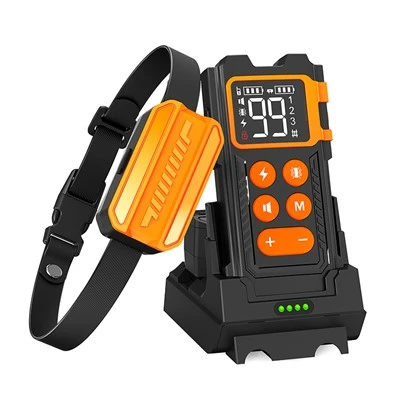
Now, before I wrap this up, let’s make sure I covered all the bases. Moving an electric dog fence is totally doable, but it’s not a DIY move that takes 10 minutes. You need to plan, test, adjust, and prioritize your dog’s training. Skip the shortcuts, don’t assume old stuff works in a new space, and check all the local rules. At the end of the day, the goal is to keep your pup safe and happy in their new home, and that starts with a properly set up fence.
LED Dog Harness References:
- American Veterinary Medical Association. (2022). Guidelines for the Design and Delivery of Electric Fence Systems for Companion Animals.
- International Association of Animal Behavior Consultants. (2021). Positive Reinforcement Training for Electric Dog Fence Acclimation.
- Pet Safety Institute. (2023). Common Interference Factors for Underground and Wireless Pet Fence Systems.
- National Animal Control Association. (2022). Local Regulations for Electric Pet Fences: A Quick Reference Guide.
Shenzhen TIZE Technology Co., Ltd.
Shenzhen TIZE Technology Co., Ltd. is one of the most professional electric dog fence manufacturers and suppliers in China, also supports high quality customized service. Welcome to wholesale the newest electric dog fence made in China here and get pricelist from our factory. Also, 1 year warranty is available.
Address: Building 2, Guangyu Industrial Zone, Huangtian Community, Hangcheng Street, Bao’an District, Shenzhen, Guangdong Province, China
E-mail: apple@cntize.com
WebSite: https://www.cntize.com/
