If you’ve ever shopped for hijabs, whether for yourself or as a small business owner (guilty here— I’ve been sourcing and curating hijabs for women across North America for the past 5 years), you’ve probably stared at a rack and thought, “Wait, what are these even made of? Why does one feel so soft it’s almost like wearing a cloud, and another is so scratchy I can’t imagine wearing it for more than an hour?” Hijab
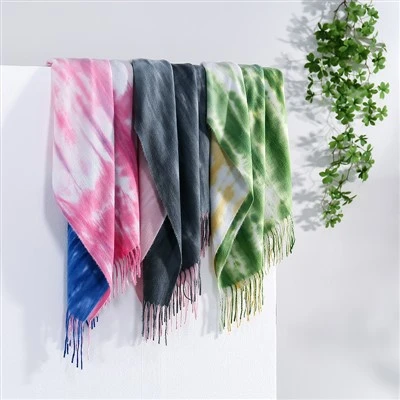
It’s not just random. The material of a hijab doesn’t just affect how it looks or feels—it affects how it drapes, how long it lasts, how it holds up through a busy workday, or a walk in the rain, or a full day at school. As someone who tests every batch of fabric my team brings in, and fields DMs every week from customers asking about fabric care, I thought I’d break this down simply, no fancy jargon, just the real stuff.
First, let’s get one thing straight: there’s no “one size fits all” when it comes to hijab materials. What works for a casual, everyday run to the grocery store might not work for a formal wedding, or a workout, or a hot summer day where you need something breathable. Let’s go through the most common materials I stock, why we use them, and who they’re for.
Let’s start with the OG—cotton. Wait, not just any cotton. When people say “cotton hijab,” they’re usually talking about cotton jersey or voile, right? Wait, no—let’s split those two because they’re totally different. Jersey cotton is that stretchy, soft stuff. It’s the one that feels like your favorite old t-shirt, but thicker. I love jersey for everyday wear because it drapes so well, it doesn’t slip off your head mid-conversation, and it’s machine-washable like a dream. No fancy care instructions—just throw it in with your regular laundry, tumble dry low, and you’re good. The downside? It can hold a little moisture, so if you sweat a lot (hello, summer heat!), it might stick a tiny bit. But for office days, or casual outings? It’s perfect.
Then there’s cotton voile. This is the light, crisp cotton that’s super popular for summer. It’s thin, breathable, and doesn’t wrinkle as much as you’d think (wait, no—okay, it does wrinkle, but a quick steam from a travel iron fixes it in 10 seconds). A lot of my customers who live in places with 90-degree+ summers swear by voile because it doesn’t make their head feel hot and stuffy. It’s also great for layering—if you like to style your hijab with big, loose drapes, voile holds those shapes really well. The only catch: it’s a little more delicate than jersey, so I always tell people to line dry it instead of putting it in the dryer, because too much heat can make it shrink a tiny bit.
Next up, polyester—wait, before you roll your eyes, not that cheap, scratchy polyester from a generic fast fashion site. The good polyester we use is called “microfiber polyester,” and it’s a game-changer for things like print hijabs. Why? It takes dye so well, so the colors stay bright even after dozens of washes, and it’s super lightweight. A lot of our graphic or patterned hijabs are made with microfiber because the prints don’t fade. It’s also moisture-wicking, so if you’re working out, or running errands in the rain, it pulls sweat away from your head instead of sitting on it. The downside? If you don’t get the right kind, it can feel a little plasticky. But we test every batch to make sure it’s soft, not stiff. Plus, it’s way cheaper than silk, so it’s a great budget option.
Then we have satin. Satin hijabs are the fancy ones—perfect for weddings, Eid, or any formal event where you want that sleek, glossy look. Satin has that beautiful sheen that makes any outfit feel elevated. But let’s be real: it’s not the most practical for everyday wear. It slips, a lot. If you’re not used to styling, you’ll spend more time adjusting it than actually enjoying your day. We only stock a small number of satin hijabs because of that slip factor, but we line them with a little silicone grip on the inside now, which helps. Care-wise, satin is tricky—you can’t just throw it in the washer. Hand wash or dry clean only, or you’ll end up with runs or that weird, shiny spot that ruins the look. It’s not for everyone, but when you need that special occasion vibe, it’s worth it.
Wait, what about chiffon? That’s another one people ask about. Chiffon is super lightweight, flowy, and has that ethereal look that’s great for dramatic styling. But here’s the thing: it’s see-through if you hold it up to light, so you need a slip or a matching undercap to make sure it’s modest. It’s also prone to snags—if you brush it against a rough bag or a jewelry, you’ll get a pull. We only carry chiffon for customers who specifically ask for it, because it’s a pain to keep looking good. But if you love that soft, floaty look, it’s an option.
And then there’s silk—luxury, plain and simple. Silk hijabs are soft, breathe better than almost any other fabric, and they last for years if you take care of them. A good silk hijab can go through 100 washes and still look brand new. But it’s expensive, and super delicate. You can’t wash it in the machine, can’t iron it on high heat, and it slips even more than satin. Most of our silk hijabs are for customers who want a high-end, investment piece, not something for daily wear. We usually source mulberry silk because it’s the softest, not that scratchy silk blend that some places sell.
Now, let’s talk about blends, because a lot of people don’t realize that blends are often the best of both worlds. For example, cotton-polyester blends—they combine the softness of cotton with the durability and color retention of polyester. We make a lot of our mid-range hijabs with 60% cotton, 40% polyester, because they don’t wrinkle as much as pure cotton, hold their shape, and are super affordable. No shrinking, no fading, easy to wash—perfect for someone who doesn’t want to fuss with their hijab every day. Another blend we love is modal and spandex—modal is a type of soft rayon, and adding a little spandex gives it stretch. That’s great for workout hijabs, because it’s breathable, moves with you, and doesn’t slip.
I get a lot of questions about “breathability” and “modesty” too. Let’s clear that up: modesty doesn’t have to do with material, it has to do with how thick the fabric is. A lightweight cotton voile can be modest if you layer it, while a thick jersey can also be modest. Breathability is all about the weave—looser weaves (like voile’s weave) let air through, while tighter weaves (like jersey’s) are more warm. So if you’re in a hot climate, look for looser weaves, if you’re in a cold place, tighter weaves will keep you warm.
What about care tips? I can’t tell you how many customers DM me saying their hijab shrunk, or faded, or got a weird stain. Most of the time, it’s because they didn’t follow the care instructions. For cotton: wash in cold water, don’t use bleach, tumble dry low or line dry. For polyester: same as cotton, but it won’t shrink, so you can dry it on high. For satin and silk: hand wash in cold water with mild detergent, don’t wring it, hang to dry, and iron on low heat if needed. For chiffon: hand wash, line dry, don’t iron at all—steaming is better.
Now, as someone who’s in the business, I have a tip for anyone shopping for hijabs: don’t just go by price. A $5 hijab might be cheap, but if it scratches, slips, and falls apart after 2 washes, that’s not a deal. A $25 hijab that’s soft, holds up for a year, and makes you feel confident is way worth it. We test every fabric we bring in for at least 10 washes to make sure it doesn’t fade or shrink, and we send samples to a few of our regular customers to get their feedback before we stock a new material. It’s not perfect, but it’s how we make sure we’re selling something people actually want to wear.
At the end of the day, the best hijab material is the one that works for your lifestyle. If you’re a student running between classes, you want something easy to style and tough. If you’re a mom chasing kids, you want something that doesn’t slip off when you’re bending over. If you’re going to a wedding, you want something that looks elegant and lasts through the party. We’ve got all of these in stock right now, from budget-friendly everyday options to luxury special-occasion pieces.
If you’re a retailer looking to stock hijabs, or you’re a large group wanting to place a bulk order for an event (like a school outing, or a community gathering), we can hook you up. We have flexible pricing for bulk orders, and we can work with you to pick the perfect materials for your needs. Shoot us a message to chat about what you’re looking for—we’re here to help, no pressure, no weird sales tactics.
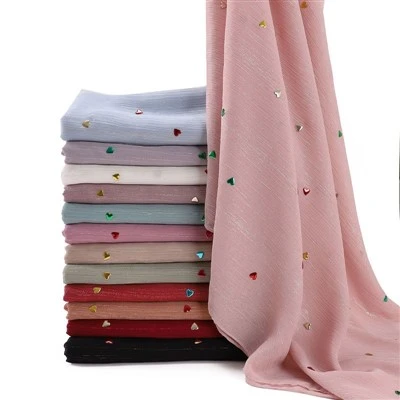
Don’t overcomplicate it when you’re choosing a hijab. Think about when and where you’ll wear it, what feel you like, and go from there. The right hijab should make you feel comfortable, confident, and like it’s part of your outfit, not something you have to worry about.
Heavyweight Shawl References:
- Textile Institute. (2022). Guide to Woven Fabric Properties for Apparel.
- International Islamic Trade Federation. (2021). Modesty in Apparel: Fabric Selection Guidelines.
- Cotton Council International. (2020). Performance Characteristics of Cotton Hijabs.
- Synthetic Fiber Association. (2022). Microfiber Polyester for Fashion and Function.
- Silk Association of America. (2021). Care and Durability of Silk Apparel.
Deqing Boliya Silk Co., Ltd.
Deqing Boliya Silk Co., Ltd. is one of the most professional hijab manufacturers and suppliers in China, featured by quality products and good service. Please rest assured to wholesale the newest hijab in stock here and get quotation from our factory. We also accept customized orders.
Address: Baibiao Industrial Zone, Xinshi Town, Deqing County, Zhejiang Province, China
E-mail: boliya@boliyasilk.com
WebSite: https://www.boliyasilk.com/
