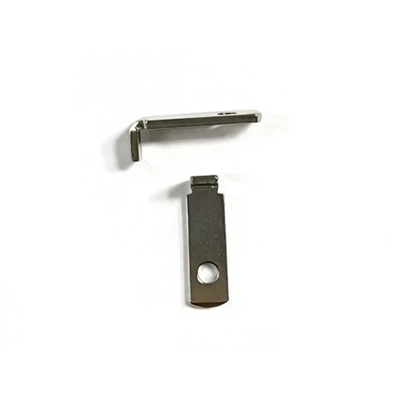
Oxidation is a common and troublesome issue in the production and use of electrical brass switch socket parts. As a supplier of these parts, I’ve witnessed firsthand the negative impacts of oxidation on product quality and performance. In this blog, I’ll share some effective strategies to prevent the oxidation of electrical brass switch socket parts, based on my years of experience in the industry. Electrical Brass Switch Socket Part
Understanding the Oxidation Process of Brass
Before delving into prevention methods, it’s essential to understand how brass oxidizes. Brass is an alloy composed mainly of copper and zinc. When exposed to oxygen in the air, copper in the brass reacts with oxygen to form copper oxide. This reaction is accelerated in the presence of moisture, acids, or other corrosive substances. The oxidation of brass not only affects its aesthetic appearance, turning the shiny surface dull and often greenish, but also degrades its electrical conductivity and mechanical properties.
Surface Treatment
One of the most effective ways to prevent oxidation is through surface treatment. There are several surface treatment methods that can be applied to electrical brass switch socket parts.
Electroplating
Electroplating is a widely used method in the industry. By depositing a thin layer of metal, such as nickel or chromium, on the surface of the brass parts, a protective barrier is created. This barrier prevents oxygen and moisture from coming into direct contact with the brass, thus reducing the likelihood of oxidation. Nickel plating, for example, provides excellent corrosion resistance and a smooth, shiny finish. Chromium plating, on the other hand, offers high hardness and wear resistance in addition to oxidation protection.
The electroplating process involves immersing the brass parts in an electrolyte solution containing metal ions. An electric current is then passed through the solution, causing the metal ions to deposit on the surface of the parts. However, it’s important to ensure that the electroplating process is carried out carefully. Any defects in the plating layer, such as pinholes, can compromise its protective effect.
Passivation
Passivation is another surface treatment method. It involves chemically treating the brass surface to form a thin oxide layer that is more stable and resistant to further oxidation. This process can be done by immersing the brass parts in a passivating solution, typically containing nitric acid or other oxidizing agents. The passivation process not only enhances the oxidation resistance of the brass but also improves its resistance to other forms of corrosion.
However, passivation has some limitations. The passivating layer is relatively thin and may be damaged during handling or use. Therefore, it’s often used in combination with other surface treatment methods for better protection.
Coating
Applying a protective coating is a simple yet effective way to prevent oxidation. There are various types of coatings available, such as epoxy coatings, acrylic coatings, and polyester coatings. These coatings can be sprayed or dipped onto the brass parts to form a protective film.
Epoxy coatings, for example, offer excellent adhesion and chemical resistance. They can withstand harsh environments and provide long – term protection against oxidation. Acrylic coatings, on the other hand, are known for their good weatherability and transparency, which can maintain the aesthetic appearance of the brass parts.
Environmental Control
The environment in which the electrical brass switch socket parts are stored and used plays a crucial role in preventing oxidation.
Storage Conditions
During storage, it’s important to keep the brass parts in a dry and clean environment. High humidity levels can significantly accelerate the oxidation process. Therefore, the storage area should be equipped with dehumidifiers to maintain a low humidity level. Ideally, the relative humidity should be kept below 50%.
In addition, the brass parts should be stored away from sources of heat, acids, and other corrosive substances. For example, they should not be stored near chemical storage areas or in places with poor ventilation.
Use Environment
When the brass parts are installed in electrical switch sockets, the use environment also needs to be considered. In areas with high humidity or high levels of pollutants, additional protective measures may be required. For example, in coastal areas where the air contains a high concentration of salt, the switch sockets may need to be sealed more tightly to prevent the ingress of salt – laden air.
Material Selection and Alloy Design
The choice of brass material and its alloy composition can also affect its oxidation resistance.
High – Quality Brass
Using high – quality brass with a proper copper – zinc ratio is essential. Brass with a higher copper content may be more prone to oxidation, while a balanced copper – zinc ratio can improve its overall corrosion resistance. In addition, the purity of the brass also matters. Impurities in the brass can act as sites for oxidation, so it’s important to use brass with a high level of purity.
Alloying Elements
Adding certain alloying elements to the brass can enhance its oxidation resistance. For example, adding small amounts of elements such as tin, aluminum, or silicon can form a more stable oxide layer on the surface of the brass, which provides better protection against oxidation.
Handling and Maintenance
Proper handling and maintenance of the electrical brass switch socket parts can also help prevent oxidation.
Handling
During the manufacturing, transportation, and installation processes, it’s important to handle the brass parts with care. Avoid scratching or damaging the surface of the parts, as these damages can expose the underlying brass to oxygen and moisture, increasing the risk of oxidation. Workers should wear gloves when handling the parts to prevent the transfer of sweat and other contaminants.
Maintenance
Regular maintenance of the switch sockets can also extend the lifespan of the brass parts. This includes cleaning the switch sockets periodically to remove dust, dirt, and other contaminants. However, it’s important to use the right cleaning agents. Abrasive cleaners or those containing acids can damage the protective surface layer of the brass parts and accelerate oxidation. Instead, mild detergents and soft cloths should be used for cleaning.
Conclusion
Preventing the oxidation of electrical brass switch socket parts is a multi – faceted task that requires a combination of surface treatment, environmental control, material selection, and proper handling and maintenance. As a supplier, I’m committed to providing high – quality brass parts with excellent oxidation resistance. By implementing these prevention strategies, we can ensure that our products meet the highest standards of quality and performance.
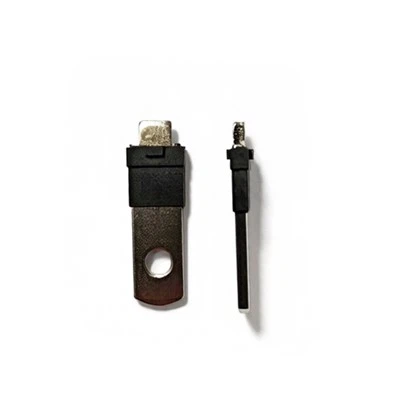
Eu Standard Plug Pin If you’re in the market for electrical brass switch socket parts and are concerned about oxidation, I’d be more than happy to discuss our products and solutions with you. Contact us to start a procurement negotiation and find the best fit for your needs.
References
- ASM Handbook Volume 13A: Corrosion: Fundamentals, Testing, and Protection.
- Metals Handbook Desk Edition, Third Edition.
- Various industry research papers on brass corrosion and prevention.
Dongguan Fangrun Metal Products Co., Ltd.
We’re well-known as one of the leading electrical brass switch socket part manufacturers in China, specialized in providing high quality customized products. Please feel free to buy discount electrical brass switch socket part made in China here from our factory. For quotation and free sample, contact us now.
Address: New Town Industrial Zone,Xiegang Village,Xie Gang Town,Dongguan City
E-mail: 825556703@qq.com
WebSite: https://www.fangrunpin.com/
