Hey there! I’m an air duct supplier, and today I wanna chat about how an air duct sound attenuator works. It’s a pretty cool piece of equipment that can make a big difference in a lot of settings, so let’s dive right in. Air Duct

What’s an Air Duct Sound Attenuator Anyway?
First off, let’s get on the same page about what an air duct sound attenuator is. You know how when air moves through ducts, it can create a whole bunch of noise? That noise can be a real pain, especially in places like offices, hospitals, or theaters where you need a quiet environment. That’s where the sound attenuator comes in. It’s basically a device that’s installed in the air duct system to reduce the noise generated by the airflow.
How Does It Work?
1. Absorption Principle
The main way an air duct sound attenuator works is through sound absorption. Inside the attenuator, there are special materials that are designed to absorb sound waves. These materials are usually made of things like fiberglass or mineral wool. When the sound waves from the airflow hit these materials, they get trapped and converted into heat energy. It’s like a sponge soaking up water, but instead of water, it’s soaking up sound.
Let me give you an example. Imagine you’re in a room with bare walls. When you talk, the sound bounces off the walls and creates an echo. But if you cover the walls with soft, absorbent materials, the sound waves get absorbed, and the echo goes away. That’s pretty much how the sound attenuator works in the air duct. The absorbent materials inside the attenuator reduce the reflection of sound waves, which in turn reduces the overall noise level.
2. Baffle Design
Another important part of how an air duct sound attenuator works is the baffle design. The attenuator has a series of baffles, which are like partitions or barriers inside the duct. These baffles are strategically placed to disrupt the airflow and break up the sound waves. When the air passes through the baffles, it has to change direction multiple times. This not only slows down the airflow but also scatters the sound waves, making them less intense.
Think of it like a maze. When you try to run through a maze, you have to turn and twist at every corner. The same thing happens to the sound waves in the attenuator. The baffles force the sound waves to take a more complicated path, which reduces their energy and makes them quieter.
3. Frequency Selection
Different types of sound attenuators are designed to work at different frequencies. You see, sound waves come in different frequencies, and some frequencies are more annoying than others. For example, high – frequency sounds can be really sharp and irritating, while low – frequency sounds can be more of a rumbling noise.
The sound attenuator is engineered to target specific frequencies. The design of the absorbent materials and the baffle arrangement can be adjusted to absorb certain frequencies more effectively. So, if you’re dealing with a lot of high – frequency noise in your air duct system, you can choose an attenuator that’s optimized for high – frequency absorption.
Why Do We Need Air Duct Sound Attenuators?
There are a bunch of reasons why air duct sound attenuators are so important.
1. Comfort
In places like homes, offices, and hotels, noise can be a major source of discomfort. Nobody wants to be sitting in a meeting or trying to sleep with the constant roar of an air duct in the background. By reducing the noise, sound attenuators create a more comfortable environment for people.
2. Productivity
In an office setting, excessive noise can be a real distraction. It can make it hard for employees to focus on their work, which can lead to lower productivity. Installing sound attenuators in the air duct system can help create a quieter workspace, allowing employees to concentrate better.
3. Compliance
There are also regulations and standards regarding noise levels in different buildings. For example, hospitals need to maintain a certain level of quietness for the well – being of patients. Sound attenuators help building owners meet these regulations and avoid potential fines.
Types of Air Duct Sound Attenuators
There are a few different types of air duct sound attenuators, and each one has its own unique features.
1. Rectangular Attenuators
These are the most common type of sound attenuators. They’re designed to fit into rectangular air ducts, which are very common in commercial and residential buildings. Rectangular attenuators are usually made up of multiple chambers with absorbent materials and baffles. They’re great for general noise reduction in most air duct systems.
2. Circular Attenuators
As the name suggests, circular attenuators are designed for circular air ducts. They work in a similar way to rectangular attenuators, but their shape is optimized for circular ducts. Circular attenuators are often used in industrial settings where circular ducts are more common.
3. High – Performance Attenuators
These are designed for situations where you need to reduce a large amount of noise. High – performance attenuators use more advanced materials and designs to achieve better noise reduction. They’re often used in places like concert halls or recording studios where absolute quiet is essential.
Installation and Maintenance
Installing an air duct sound attenuator is a pretty straightforward process, but it’s important to do it right. You need to make sure that the attenuator is the right size for your air duct and that it’s installed in the correct location. Usually, it’s installed close to the source of the noise, like the air handling unit.
Maintenance is also important. Over time, the absorbent materials inside the attenuator can get dirty or damaged. You should regularly inspect the attenuator and clean or replace the materials if necessary. This will ensure that the attenuator continues to work effectively.
Conclusion
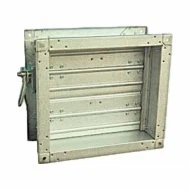
So, there you have it! That’s how an air duct sound attenuator works. It’s a simple yet effective device that can make a big difference in reducing noise in air duct systems. Whether you’re a building owner, an architect, or just someone who wants a quieter home, an air duct sound attenuator is definitely worth considering.
Air Conditioning Unit If you’re interested in purchasing air duct sound attenuators or have any questions about our products, feel free to reach out to us. We’re here to help you find the right solution for your needs.
References
- ASHRAE Handbook – HVAC Systems and Equipment
- Sound and Vibration Control in HVAC Systems by the Sheet Metal and Air Conditioning Contractors’ National Association (SMACNA)
- Noise Control Engineering: Principles and Applications by Cyril M. Harris
Yancheng Lima Air Conditioning Engineering Co., Ltd.
As one of the leading air duct manufacturers and suppliers in China, we warmly welcome you to buy discount air duct for sale here and get quotation from our factory. Quality products and low price are available.
Address: No. 99, Xinyuan Road, Yannan High-tech Zone, Yancheng City
E-mail: yclima@yclima.com
WebSite: https://www.limakt.com/
