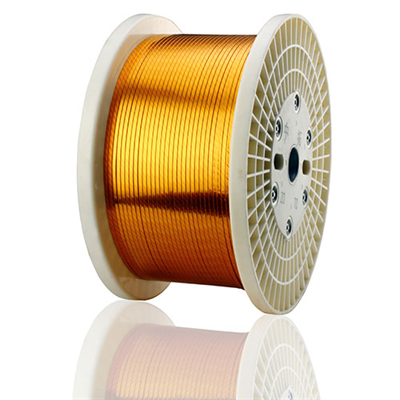
In the realm of electrical power systems, continuously transposed conductors (CTCs) have long been hailed as a revolutionary solution for high – power transformers and reactors. As a supplier of continuously transposed conductors, I’ve witnessed firsthand the widespread acclaim these conductors have received for their ability to reduce eddy – current losses, enhance current distribution, and improve overall electrical performance. However, like any technology, CTCs are not without their disadvantages. In this blog post, I’ll delve into some of the drawbacks associated with continuously transposed conductors, providing a balanced perspective for potential customers. Continuously Transposed Conductors
1. High Manufacturing Complexity and Cost
One of the most significant disadvantages of continuously transposed conductors is their high manufacturing complexity. The process of continuously transposing individual strands of conductor requires specialized machinery and highly skilled operators. Each strand must be precisely transposed at regular intervals to ensure uniform current distribution. This intricate process demands strict quality control and monitoring at every step.
The complexity of manufacturing leads directly to increased costs. The specialized equipment needed for CTC production, such as transposing machines, is expensive to purchase and maintain. Additionally, the labor – intensive nature of the process means higher wages for skilled workers. These costs are inevitably passed on to the customers. For small – scale projects or those with tight budgets, the high cost of CTCs can be a major deterrent. Compared to traditional conductors, the price of continuously transposed conductors can be significantly higher, making them less accessible for some applications.
2. Limited Flexibility in Design
CTCs are typically designed for specific applications, such as large – capacity transformers. Once they are manufactured, they have limited flexibility in terms of design changes. The transposition pattern and the number of strands are determined during the production process, and it is difficult to modify these parameters later.
For example, if a customer needs to change the current – carrying capacity or the voltage rating of a transformer during the project, it may be challenging to adapt the CTCs accordingly. In contrast, traditional conductors can be more easily adjusted or combined to meet different design requirements. This lack of flexibility can cause delays and additional costs in projects where design changes are common or where unforeseen requirements arise.
3. Difficulty in Installation and Handling
Installing continuously transposed conductors is a more challenging task compared to traditional conductors. The large number of individual strands and the specific transposition pattern make the CTCs more rigid and less pliable. This can make it difficult to bend and route the conductors during installation, especially in tight spaces or complex electrical layouts.
Moreover, the individual strands in CTCs are more prone to damage during handling. Any damage to the strands can disrupt the uniform current distribution and reduce the overall performance of the conductor. Special care must be taken during transportation, storage, and installation to prevent physical damage. This requires additional training for installation workers and may also lead to longer installation times, increasing the overall project cost.
4. Susceptibility to Environmental Factors
CTCs are more susceptible to certain environmental factors compared to some other types of conductors. For instance, in humid environments, the insulation material around the individual strands can absorb moisture. Moisture absorption can degrade the insulation performance, leading to increased electrical losses and potential safety hazards.
In addition, high – temperature environments can also pose challenges for CTCs. The complex structure of CTCs may result in non – uniform heat dissipation. If the heat generated during operation is not properly dissipated, it can lead to thermal stress on the conductor, which may cause premature aging and failure of the insulation and the conductor itself. This means that in applications where the environment is harsh, additional measures such as climate control or special insulation materials may be required, adding to the cost and complexity of the system.
5. Availability of Skilled Maintenance Personnel
Maintaining continuously transposed conductors requires a certain level of expertise. Due to their complex structure and unique operating characteristics, identifying and troubleshooting problems in CTCs can be more difficult than in traditional conductors. There are fewer skilled maintenance personnel available who are well – versed in the intricacies of CTC maintenance.
When a problem occurs in a system using CTCs, it may take longer to diagnose and repair, leading to extended downtime. The scarcity of skilled maintenance workers also means that companies may have to pay higher fees for maintenance services. This can be a significant burden for businesses that rely on the continuous operation of their electrical systems.
6. Recycling Challenges
In an era of increasing environmental awareness, the recyclability of materials is an important consideration. Continuously transposed conductors present challenges in terms of recycling. The complex structure of CTCs, which consists of multiple strands of different materials and insulation layers, makes the recycling process more difficult and costly.
Separate the individual components for recycling requires specialized equipment and techniques. In addition, the insulation materials used in CTCs may be difficult to recycle or may contain substances that are harmful to the environment if not properly disposed of. This can limit the end – of – life options for CTCs and may contribute to environmental problems.
Conclusion
While continuously transposed conductors offer many advantages in terms of electrical performance, it is important for potential customers to be aware of their disadvantages. The high manufacturing complexity and cost, limited design flexibility, difficulty in installation and handling, susceptibility to environmental factors, scarcity of skilled maintenance personnel, and recycling challenges are all factors that need to be considered when choosing whether to use CTCs in an electrical project.
However, it’s important to note that these disadvantages should be weighed against the benefits. In applications where high – performance and low – loss electrical conductors are essential, such as large – scale power transformers, the advantages of CTCs may outweigh the drawbacks.
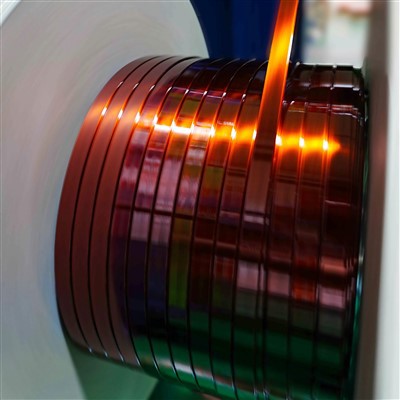
Wrapped Wire If you are considering the use of continuously transposed conductors in your project, I encourage you to contact us for a detailed discussion. Our team of experts can help you evaluate whether CTCs are the right choice for your specific needs, taking into account both the advantages and disadvantages. We can also provide you with customized solutions to address any challenges you may face. Don’t hesitate to reach out to us to start a procurement discussion.
References
- Grover, F. W. (1946). Inductance Calculations: Working Formulas and Tables. Dover Publications.
- Westinghouse Electric Corporation. (1950). Electric Transmission and Distribution Reference Book. Westinghouse Electric Corporation.
- Heller, H. C., & Hamon, R. G. (1980). Modeling and Estimation of Temperature Rise and Load Capability of Underground Cables. IEEE Transactions on Power Apparatus and Systems.
Tianjin Jingwei Power Technology Co., Ltd.
As one of the most professional continuously transposed conductors manufacturers and suppliers in China, we’re featured by quality products and good service. Please rest assured to buy durable continuously transposed conductors made in China here from our factory. Contact us for more details.
Address: No.1 Chuangxin Rd. Xiaozhan Industrial Park, Jinnan District, Tianjin, China
E-mail: info@jwdc.cn
WebSite: https://www.jw-dcs.com/
