Hey there, folks! I’m a supplier of commercial kitchen equipment, and today I wanna chat about the differences between commercial and residential refrigerators. As someone who deals with these appliances every day, I’ve seen firsthand how they vary in terms of design, functionality, and performance. So, let’s dive right in! Commercial Kitchen Equipment

Design and Build
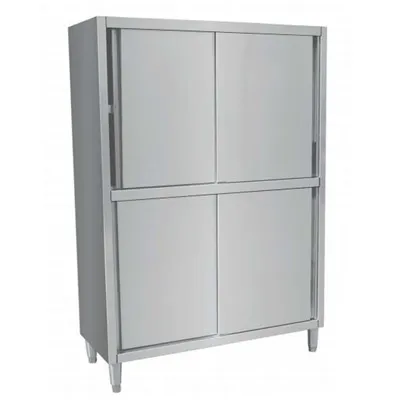
First off, let’s talk about the design. Commercial refrigerators are built like tanks. They’re made to withstand the rigors of a busy kitchen environment. You know, in a restaurant or a catering service, there’s constant opening and closing of the fridge doors, people bumping into them, and spills happening all the time. So, commercial fridges are constructed with heavy – duty materials.
The cabinets are usually made of stainless steel. It’s not just for looks; it’s super durable and easy to clean. You can wipe down any mess with a simple cleaning solution, and it won’t get scratched easily. On the other hand, residential refrigerators are more about aesthetics. They come in different colors and finishes to match your kitchen decor. The materials used are lighter and more focused on keeping the cost down.
Size is another big difference. Commercial refrigerators are huge! They need to store large quantities of food to meet the demands of a business. You can find walk – in coolers in commercial kitchens, which are massive rooms dedicated to storing food. Even the upright commercial fridges are much taller and wider than your average home fridge. Residential fridges are designed to fit in a regular kitchen, so they’re smaller and more compact.
Cooling Capacity and Performance
Now, let’s get into cooling. Commercial refrigerators have a much higher cooling capacity. In a commercial setting, you’re constantly adding warm food to the fridge. For example, after a big catering event, all the leftovers are put back into the fridge right away. A commercial fridge needs to be able to cool this large amount of warm food quickly.
They use high – powered compressors and cooling systems. These systems are designed to maintain a consistent temperature, even when the door is opened frequently. You can’t afford to have the temperature in your commercial fridge fluctuate because it can spoil the food. And that’s a big no – no in the food business.
Residential refrigerators, however, don’t need to work as hard. In a home, you’re not adding large amounts of warm food at once. You might put a few leftovers in after dinner, but that’s about it. So, their cooling systems are less powerful and more energy – efficient for typical home use. They’re designed to keep a small amount of food at a steady temperature with less demand on the system.
Energy Efficiency
When it comes to energy efficiency, it’s a bit of a mixed bag. On one hand, commercial refrigerators are power – hungry. They have to run continuously to keep the large amount of food cold. But many modern commercial fridges are designed with energy – saving features. For example, they have better insulation to prevent cold air from escaping. Some also have smart controls that can adjust the cooling based on the load inside the fridge.
Residential refrigerators are generally more energy – efficient in terms of the amount of food they store. Since they’re smaller and have less demand on the cooling system, they use less electricity overall. But if you compare the energy consumption per cubic foot of storage, commercial fridges can sometimes be more efficient. This is because they’re built to handle large volumes of food, and the technology used in them is optimized for commercial use.
Features and Functionality
Commercial refrigerators come with a lot of features that are tailored to the needs of a business. For example, they often have multiple shelves and compartments that can be adjusted to fit different sizes of food containers. Some commercial fridges also have special compartments for storing different types of food, like a separate area for dairy products or fresh produce.
They may also have built – in alarms. These alarms can alert you if the temperature inside the fridge goes out of the safe range. This is crucial in a commercial setting because food safety is a top priority. If the fridge temperature rises, you need to know right away so you can take action to prevent food spoilage.
Residential refrigerators have their own set of features. Many have built – in ice makers and water dispensers, which are great for everyday use at home. They also often have temperature controls that are easy for homeowners to use, like a simple dial or digital display.
Cost
Cost is a significant factor. Commercial refrigerators are more expensive upfront. The heavy – duty construction, high – powered cooling systems, and advanced features all contribute to the higher price tag. But when you consider the long – term use in a business, it’s a necessary investment. A reliable commercial fridge can save you money in the long run by preventing food waste and ensuring the quality of your food products.
Residential refrigerators are much more affordable. You can find a decent home fridge for a few hundred dollars, while a commercial fridge can cost thousands. However, you get what you pay for. The durability and performance of a commercial fridge are worth the extra cost for businesses.
Maintenance and Lifespan
Maintenance is different for commercial and residential refrigerators. Commercial fridges need regular professional maintenance. Since they’re used constantly, they’re more prone to wear and tear. A professional technician will need to check the cooling system, clean the coils, and make sure all the components are working properly. This helps to prevent breakdowns and ensures the fridge is running efficiently.
Residential refrigerators can usually be maintained by the homeowner. You can clean the interior and exterior regularly, change the water filter if it has one, and keep an eye on the temperature. But if there’s a major problem, you’ll still need to call a professional.
In terms of lifespan, commercial refrigerators are built to last. With proper maintenance, a commercial fridge can last 10 – 15 years or even longer. Residential refrigerators typically have a lifespan of 8 – 12 years.
Conclusion
So, there you have it, the main differences between commercial and residential refrigerators. As a commercial kitchen equipment supplier, I know how important it is to choose the right fridge for your business. Whether you’re running a small café or a large restaurant, a reliable commercial fridge is essential for keeping your food fresh and safe.
Pad Printing Machine If you’re in the market for a commercial refrigerator or any other commercial kitchen equipment, I’d love to have a chat with you. We can discuss your specific needs and find the best solution for your business. Don’t hesitate to reach out for a purchase discussion.
References
- "Commercial Refrigeration Handbook": A comprehensive guide on the design, operation, and maintenance of commercial refrigerators.
- "Consumer Reports – Refrigerators": Provides in – depth reviews and comparisons of residential refrigerators, including energy efficiency ratings and performance.
- Industry reports from the Food Service Equipment Manufacturers Association, which offer insights into the latest trends and technologies in commercial kitchen equipment.
Henan Seveneh Trading Co., Ltd.
As one of the most professional commercial kitchen equipment manufacturers and suppliers in China, we’re featured by quality products and good price. Please rest assured to buy advanced commercial kitchen equipment made in China here from our factory. We also accept customized orders.
Address: No.102 Wenhui Road, Economic Development Zone, Zhumadian City, Henan Province, China
E-mail: hnseveneh@gmail.com
WebSite: https://www.seveneh.com/
