Hey there! I’m a supplier of tillage equipment, and I often get asked about the energy requirements of the stuff we sell. So, I thought I’d sit down and write this blog to share some insights on what it takes to power these machines. Tillage Equipment

First off, let’s talk about why energy requirements matter. When you’re in the farming business, every bit of efficiency counts. Knowing how much energy your tillage equipment needs can help you plan your budget, manage your fuel or power sources better, and even make more eco – friendly choices.
There are different types of tillage equipment, and each has its own energy demands. Let’s start with plows. Plows are one of the oldest and most basic tillage tools. They’re used to break up and turn over the soil. The energy needed for plows depends on a few things.
The depth to which you’re plowing is a major factor. If you’re plowing deep, say 8 – 10 inches or more, the plow has to work harder to cut through and move the soil. This means it’ll need more power. A small, single – bottom plow used on a relatively light soil might not need a whole lot of energy. You could probably pull it with a small tractor, maybe one with 20 – 30 horsepower. But if you’ve got a large, multi – bottom plow working on heavy, compacted soil, you’re going to need a much more powerful tractor, perhaps 100 horsepower or more.
Another factor is the width of the plow. A wider plow covers more ground in one pass, but it also requires more energy to operate. It’s kind of like pushing a wider door open; it takes more force. So, if you’re using a 6 – foot wide plow instead of a 3 – foot wide one, you can bet your bottom dollar that you’ll need more power from your tractor.
Now, let’s move on to disc harrows. Disc harrows are used to break up clods of soil, level the ground, and mix in crop residues. They work by spinning a series of discs through the soil. The energy requirements of disc harrows are also influenced by several factors.
The size and number of discs play a big role. Larger discs need more energy to turn, and more discs mean more resistance as they cut through the soil. A small disc harrow with just a few small – diameter discs might be okay with a tractor in the 30 – 50 horsepower range. But a large, commercial – grade disc harrow with many big discs could require a tractor with 80 – 150 horsepower.
The soil condition is also crucial. In loose, sandy soil, the disc harrow doesn’t have to work as hard, so it uses less energy. But in heavy, clay – based soil, the discs have to fight through the dense material, which means more power is needed from the tractor.
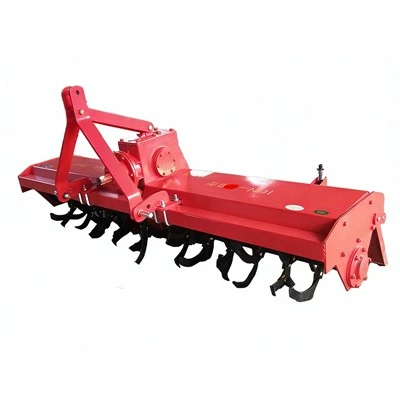
Rotary tillers are another type of tillage equipment. These machines use rotating tines to break up and mix the soil. Rotary tillers are known for their ability to create a fine, well – tilled seedbed.
The power requirements of rotary tillers depend on their size and the speed at which they operate. A small, walk – behind rotary tiller for a home garden might only need a 5 – 10 horsepower engine. But a large, tractor – mounted rotary tiller that can till a big field quickly will need a much more powerful tractor. You might need something in the 50 – 100 horsepower range, depending on the width and depth of tillage.
The speed of the tiller is also important. If you run it at a faster speed, it’ll break up the soil more quickly, but it’ll also use more energy. You’ve got to find that sweet spot between getting the job done efficiently and not using more energy than you need to.
When it comes to power sources for tillage equipment, there are a few options. The most common is diesel – powered tractors. Diesel engines are known for their high torque, which is great for pulling heavy tillage equipment. They’re also relatively fuel – efficient, especially when compared to gasoline engines. But diesel fuel isn’t always the cheapest option, and the emissions from diesel engines can be a concern.
There are also some farmers who are looking into alternative power sources. Electric tillage equipment is becoming more popular, especially for smaller – scale operations. Electric motors are quiet, produce zero emissions at the point of use, and can be more energy – efficient in some cases. However, the availability of electric power in rural areas can be a limiting factor, and the upfront cost of electric equipment can be higher.
Biomass – powered engines are another option. You can use things like wood chips or agricultural waste to generate power. This is a more sustainable option, but the technology for biomass – powered tillage equipment is still in the early stages of development, and it might not be as practical for large – scale farming yet.
As a supplier of tillage equipment, I always try to help my customers understand the energy requirements of the equipment they’re interested in. That way, they can make an informed decision about what’s best for their farm.
If you’re in the market for tillage equipment and want to know more about the energy requirements or just want to chat about your farming needs, don’t hesitate to reach out. We can have a one – on – one conversation about what works best for your situation, and I can help you find the right equipment that balances performance and energy efficiency. Whether you’re a small – time farmer or a large – scale agricultural operation, I’m here to assist you. So, let’s get in touch and start planning your next farming project!
Tillage Equipment References
- Smith, J. (2020). Agricultural Machinery Handbook.
- Jones, L. (2019). Energy Efficiency in Farming Equipment.
- Green, T. (2021). Sustainable Power Sources for Agriculture.
Sevol International Trade (Shandong) Co., Ltd.
As one of the most professional tillage equipment manufacturers and suppliers in China, we’re featured by quality products and good price. Please rest assured to buy advanced tillage equipment for sale here from our factory. We also accept customized orders.
Address: 1210, Building 13, No. 13129, Yingqian Street, Liyuan Street, Kuiwen District, Weifang City, Shandong Province
E-mail: Savotrak@163.com
WebSite: https://www.sevol-global.com/
