Hey there! I’m a supplier of brass flange ball valves, and I know how crucial fire safety is when it comes to these products. Fire can be so destructive, and ensuring the fire – safety of our brass flange ball valves is not just a technical thing; it’s about protecting lives and property. So, let’s talk about how we can make sure these valves are fire – safe. Brass Flange Ball Valve
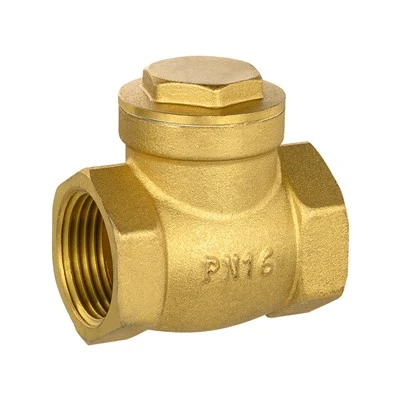
Understanding Fire Risks for Brass Flange Ball Valves
First off, we need to know where the fire risks for brass flange ball valves come from. In a lot of industrial settings, these valves are used to control the flow of flammable fluids or gases. A spark, an over – heating equipment, or just a malfunction can set things on fire.
If a fire breaks out near a brass flange ball valve, there are a couple of things that can happen. The heat can cause the brass to expand. If the expansion is too much, it can lead to leaks in the valve. And when you’re dealing with flammable stuff, a leak can turn a small fire into a big disaster. Also, the fire can damage the internal components of the valve, like the ball and the seals. Once these are damaged, the valve may not work properly, which can cause the flow of flammable materials to go out of control.
Material Selection for Fire – Safety
One of the most important aspects of ensuring fire – safety for brass flange ball valves is the material we use. Good – quality brass is the base. We want brass that has a high melting point and good heat – resistant properties.
When I’m sourcing brass for my valves, I look for alloys that are known for their thermal stability. Some brass alloys are specifically designed to resist high temperatures better. They can handle the heat from a fire without melting or deforming too quickly.
The seals in the valve are also super important. We can’t use regular rubber seals because they’ll melt in a fire. Instead, we use fire – resistant materials like graphite or ceramic – based seals. These materials can withstand high temperatures and still keep their sealing properties, which helps prevent leaks during a fire.
Design Considerations
The design of the brass flange ball valve plays a huge role in its fire – safety. A well – designed valve should be able to handle the stress caused by heat and pressure during a fire.
We make sure the valve has a robust structure. The flange connections are designed to be tight and strong. This helps prevent any separation of the valve components when the heat is on. We also use thick – walled brass for the valve body because it can better resist the heat and prevent burning through.
Another design aspect is the internal flow path. We design it to minimize the chances of blockages. In a fire situation, we don’t want anything to stop the proper flow control. If there’s a blockage, it can increase the pressure inside the valve and lead to a rupture.
Testing and Certification
Testing is a key part of ensuring fire – safety. Every brass flange ball valve we make goes through a series of fire – safety tests.
We use a simulated fire environment to test how the valve performs under high – temperature conditions. We measure things like the time it takes for the valve to start leaking, how well the seals hold up, and if the valve can still be operated after the fire exposure.
Getting the right certifications is also important. There are industry standards for fire – safety of valves, like ISO 10497. When our valves meet these standards, it’s a sign that they’re up to scratch in terms of fire – safety. Customers can trust that the valves we supply will work as expected in a fire situation.
Installation and Maintenance
Even the best – designed and tested brass flange ball valves can’t guarantee fire – safety if they’re not installed and maintained properly.
During installation, it’s crucial to follow the instructions carefully. The valve needs to be installed in the right position and with the correct torque for the flange connections. If it’s not installed right, it can lead to leaks even without a fire.
Regular maintenance is also a must. We recommend that our customers inspect the valves regularly for signs of wear and tear. They should check the seals for any damage, and make sure the valve can open and close smoothly. If any issues are found, they should be fixed right away. This kind of preventive maintenance can help keep the valve in good condition and ready to perform in case of a fire.
Training and Education
We also believe in training and educating our customers about fire – safety with brass flange ball valves. We offer training sessions where we explain how the valves work, how to install them correctly, and what to do in case of a fire.
We provide information on the warning signs of potential fire – related problems. For example, if there’s a strange noise when the valve is operating, it could be a sign of a problem that might become worse in a fire situation. By educating our customers, we empower them to take the necessary steps to ensure fire – safety.
Collaboration with Other Fire – Safety Systems
Brass flange ball valves don’t work in isolation. They need to be part of a larger fire – safety system. We work with other fire – safety equipment suppliers to make sure our valves can integrate well with things like fire alarms, sprinkler systems, and emergency shut – off systems.
A properly integrated system means that if a fire is detected, the valve can be closed automatically, cutting off the flow of flammable materials. This can help contain the fire and prevent it from spreading.
Conclusion
So, to sum it up, ensuring the fire – safety of a brass flange ball valve involves a lot of things. It starts with the right material selection, good design, rigorous testing, proper installation and maintenance, training, and collaboration with other fire – safety systems.

As a supplier, I’m committed to providing high – quality, fire – safe brass flange ball valves. I know that our customers rely on these valves to keep their operations safe.
Brass Flange Ball Valve If you’re in the market for brass flange ball valves and you’re concerned about fire – safety, I’d love to have a chat with you. We can talk about your specific needs and how our valves can meet them. Let’s work together to make your place safer!
References
- Fire Safety Standards for Industrial Valves, Industry Research Publications
- ISO 10497: Requirements and Test Procedures for Fire – Tested Gate, Globe, Check and Butterfly Valves.
Yuhuan East-Asia Valve Industrial Co., Ltd.
As one of the most experienced brass flange ball valve manufacturers and suppliers in China, we also support customized service. We warmly welcome you to wholesale high quality brass flange ball valve for sale here from our factory. If you have any enquiry about quotation, please feel free to email us.
Address: Bingang Industrial Park,Shamen Town,Yuhuan City,Zhejiang Province.
E-mail: sales@dongyavalve.com
WebSite: https://www.eastasiavalves.com/
