In the dynamic landscape of industrial operations, conveyor belts play a pivotal role in ensuring seamless material handling. Among the various types of conveyor belts available, low rolling resistant conveyor belts have emerged as a game – changer, driven by the increasing need for energy efficiency and cost – effectiveness. As a supplier of low rolling resistant conveyor belts, I have witnessed firsthand the evolving market trends and the growing demand for these innovative products. Low Rolling Resistant Conveyor Belt
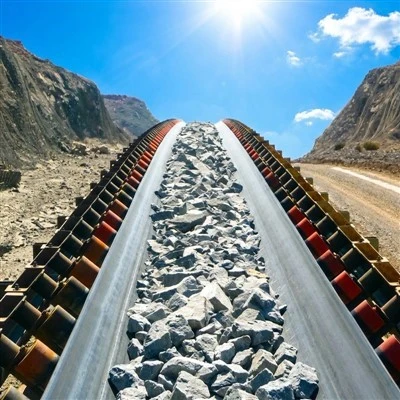
Energy Efficiency Regulations Driving Demand
One of the most significant factors shaping the market trend for low rolling resistant conveyor belts is the global push towards energy efficiency. Governments and environmental agencies around the world have been introducing stringent regulations to reduce energy consumption in industrial sectors. For example, in the European Union, the Energy Efficiency Directive sets targets for improving energy efficiency across various industries. In the United States, the Department of Energy has been promoting energy – efficient technologies through initiatives like the Better Plants Program.
Manufacturers are under increasing pressure to comply with these regulations and reduce their carbon footprint. Low rolling resistant conveyor belts help them achieve these goals as they significantly lower the energy required to move materials. Traditional conveyor belts generate a considerable amount of rolling resistance, which means more power is needed to keep them running. In contrast, low rolling resistant belts are designed with advanced materials and construction techniques that minimize this resistance. For instance, using specialized rubber compounds and precision – engineered belt profiles can reduce the frictional forces between the belt and the idlers, resulting in energy savings of up to 30%.
Cost Savings as a Key Motivator
Apart from regulatory compliance, cost savings are a major driving force behind the adoption of low rolling resistant conveyor belts. In the long run, the energy savings realized from using these belts can lead to substantial cost reductions. Energy is often one of the largest operating expenses for industrial facilities, especially those with large – scale conveyor systems. By switching to low rolling resistant conveyor belts, companies can reduce their electricity bills significantly.
Moreover, the reduced wear and tear on the belts and related components also contribute to cost savings. Since these belts operate with less resistance, there is less stress on the idlers, pulleys, and motors. This leads to lower maintenance costs and longer service life for the conveyor system. For example, a mining company that replaced its traditional conveyor belts with low rolling resistant ones reported a significant reduction in maintenance costs and fewer production disruptions due to belt failures.
Advancements in Material Technology
The market for low rolling resistant conveyor belts is also being influenced by continuous advancements in material technology. Newer materials are being developed that offer improved performance characteristics while maintaining low rolling resistance. For example, the use of high – performance polymers in the belt’s cover and carcass has enhanced its durability and resistance to abrasion. These polymers can withstand harsh operating conditions, such as high temperatures and aggressive chemicals, without degrading the belt’s performance.
Another area of innovation is the development of self – lubricating materials for belt components. By incorporating self – lubricating properties into the belt or its contact surfaces, the rolling resistance can be further reduced. This not only improves energy efficiency but also reduces the need for external lubrication, which can be a source of contamination in some industrial processes.
Growing Adoption in Key Industries
Several key industries are driving the adoption of low rolling resistant conveyor belts. The mining industry, for example, has a high demand for efficient conveyor systems due to the large – scale transportation of minerals and ores. The long – distance conveyor belts used in mines consume a significant amount of energy, and the use of low rolling resistant belts can result in substantial energy savings. Additionally, the harsh operating conditions in mines, such as dusty environments and high – impact loading, require belts that are durable and resistant to wear.
The food and beverage industry is also increasingly turning to low rolling resistant conveyor belts. In this sector, hygiene and energy efficiency are of utmost importance. The new generation of low rolling resistant belts are designed to meet strict food safety standards, with smooth surfaces that are easy to clean and sanitize. At the same time, the energy savings from these belts help food and beverage manufacturers reduce their operational costs.
Customization and Application – Specific Solutions
As the demand for low rolling resistant conveyor belts grows, there is also an increasing need for customization and application – specific solutions. Different industries have unique requirements when it comes to conveyor belt performance. For example, the pharmaceutical industry requires belts that are cleanroom – compatible and have a low risk of particle generation. On the other hand, the automotive industry may need belts that can handle heavy – duty loads and high – speed operations.
As a supplier, we are constantly working on developing customized conveyor belt solutions to meet these diverse needs. This involves working closely with our customers to understand their specific applications and then designing and manufacturing belts that offer the ideal combination of low rolling resistance, durability, and performance. By providing tailored solutions, we can ensure that our customers get the maximum benefits from using our low rolling resistant conveyor belts.
Competition and Market Growth
The market for low rolling resistant conveyor belts is becoming increasingly competitive as more suppliers enter the market. This competition is driving innovation and pushing suppliers to offer better products at more competitive prices. As a result, customers are benefiting from a wider range of options and improved quality.
Despite the competition, the market is expected to continue growing in the coming years. The increasing awareness of energy efficiency and cost – savings, along with the continuous development of new applications for conveyor belts, are the main factors contributing to this growth. In addition, the expansion of industries in emerging economies, such as China, India, and Brazil, is also creating new opportunities for the low rolling resistant conveyor belt market.
Environmental Sustainability and Corporate Social Responsibility
In today’s business environment, environmental sustainability and corporate social responsibility are becoming important considerations for companies. Using low rolling resistant conveyor belts is not only a smart business decision in terms of cost savings but also a way for companies to demonstrate their commitment to environmental protection. By reducing energy consumption and carbon emissions, companies can improve their environmental profile and enhance their brand image.
As a supplier, we are also committed to sustainable practices in our manufacturing process. We use eco – friendly materials wherever possible and strive to minimize waste and pollution. By partnering with companies that share our values, we can contribute to a more sustainable future for the industrial sector.
Conclusion
In conclusion, the market trend for low rolling resistant conveyor belts is on an upward trajectory, driven by energy efficiency regulations, cost savings, technological advancements, and growing adoption in key industries. As a supplier, we are well – positioned to meet the evolving needs of our customers by offering high – quality, customized conveyor belt solutions.
Solid Woven Conveyor Belt If you are interested in learning more about our low rolling resistant conveyor belts or are considering a purchase for your industrial operation, I encourage you to reach out to us. We can provide you with detailed information about our products, conduct energy audits to assess the potential savings, and work with you to develop the most suitable solution for your specific requirements. Let’s work together to improve your operational efficiency, reduce costs, and contribute to a more sustainable future.
References
- European Commission, "Energy Efficiency Directive," Publications Office of the European Union.
- U.S. Department of Energy, "Better Plants Program," Energy Efficiency and Renewable Energy.
- Industry reports from leading market research firms on the conveyor belt market.
Alumina Technology (Qingdao) New Materials Co., Ltd.
As one of the most professional low rolling resistant conveyor belt manufacturers and suppliers in China, we also support customized service. With abundant experience, we warmly welcome you to buy low rolling resistant conveyor belt for sale here and get quotation from our factory. For price consultation, contact us.
Address: No.448, Jiangshan South Road, Huangdao District, Qingdao City, Shandong Province
E-mail: Gloria.zhang@contitech.cn
WebSite: https://www.altechconveyorbelt.com/
