When it comes to the world of industrial equipment, cast gate valves play a crucial role in controlling the flow of various fluids. As a supplier of cast gate valves, I’ve witnessed firsthand how the price of these essential components can vary significantly. In this blog post, I’ll delve into the key factors that influence the price of cast gate valves, providing insights that can be valuable for both buyers and industry enthusiasts. Cast Gate Valves

1. Material Quality
The quality of materials used in the manufacturing of cast gate valves is perhaps the most fundamental factor affecting their price. Gate valves can be made from a variety of materials, including cast iron, carbon steel, stainless steel, and alloy steel. Each material has its own unique properties, advantages, and cost implications.
- Cast Iron: Cast iron is a common and cost – effective material for gate valves. It is known for its good castability and relatively low cost of production. However, it has limitations in terms of corrosion resistance and pressure – bearing capacity. Gate valves made from cast iron are often used in low – pressure and non – corrosive applications, such as in some water supply systems.
- Carbon Steel: Carbon steel offers better strength and pressure – handling capabilities compared to cast iron. It is more suitable for high – pressure applications, such as in oil and gas pipelines. The cost of carbon steel is higher than cast iron due to its superior mechanical properties and the additional processing required.
- Stainless Steel: Stainless steel is highly resistant to corrosion, making it ideal for applications where the fluid being transported is corrosive, such as in chemical processing plants or marine environments. The production of stainless steel involves more complex alloying and refining processes, which drive up the cost of the gate valves made from it.
- Alloy Steel: Alloy steel is designed to have specific properties, such as high temperature resistance or enhanced wear resistance. These specialized properties make alloy steel gate valves suitable for extreme operating conditions, but they also come at a higher price due to the expensive alloying elements and the precision manufacturing required.
2. Valve Size
The physical size of a cast gate valve is another significant determinant of its price. Larger valves generally cost more than smaller ones for several reasons.
- Material Consumption: A larger valve requires more material for its construction. Whether it’s the body, the gate, or other components, the increased volume of material directly contributes to higher production costs. For example, a 12 – inch cast gate valve will need significantly more metal than a 2 – inch valve.
- Manufacturing Complexity: Manufacturing larger valves is often more complex. The casting process for larger components can be more challenging, requiring specialized equipment and more precise control to ensure the quality and integrity of the valve. Additionally, machining and assembly operations for larger valves may be more time – consuming and labor – intensive.
3. Pressure Rating
The pressure rating of a cast gate valve indicates the maximum pressure it can withstand safely. Valves with higher pressure ratings are more expensive.
- Material and Design Requirements: To handle higher pressures, gate valves need to be made from stronger materials and have a more robust design. This may involve thicker walls, more substantial gate and seat components, and additional reinforcement features. For example, a gate valve rated for 1500 psi (pounds per square inch) will require a different material composition and structural design compared to a valve rated for 150 psi, resulting in higher production costs.
- Testing and Certification: Valves with higher pressure ratings also require more rigorous testing and certification procedures to ensure their safety and reliability. This adds to the overall cost of production as it involves additional equipment, labor, and time for testing.
4. End Connection Type
The type of end connections on a cast gate valve can affect its price. Common end connection types include flanged, threaded, and welded connections.
- Flanged Connections: Flanged end connections are widely used in industrial applications because they are easy to install, disassemble, and maintain. However, they are more expensive than other connection types. The flanges themselves require additional material and manufacturing processes, such as machining to ensure a proper seal.
- Threaded Connections: Threaded end connections are typically used for smaller valves in low – pressure applications. They are relatively simple and cost – effective to manufacture, as they do not require the extra material and machining associated with flanges.
- Welded Connections: Welded end connections provide a permanent and leak – tight joint. They are suitable for high – pressure and high – temperature applications. However, the welding process itself requires skilled labor and proper equipment, which can increase the cost of the valve.
5. Manufacturing Process
The manufacturing process employed in the production of cast gate valves can have a significant impact on their price.
- Casting Method: There are different casting methods, such as sand casting, investment casting, and die casting. Sand casting is a traditional and relatively inexpensive method, but it may result in lower – precision components. Investment casting, on the other hand, can produce very complex and high – precision parts, but it is a more expensive process due to the use of wax patterns and multiple steps involved. Die casting is suitable for high – volume production of small to medium – sized valves with good dimensional accuracy, but the initial cost of the die can be high.
- Machining and Finishing: After casting, the valve components often need to be machined to achieve the required dimensions and surface finish. Precision machining operations, such as turning, milling, and grinding, require specialized equipment and skilled operators, which contribute to the overall cost. Additionally, surface finishing treatments, such as painting or coating, can also affect the price, especially if they are required for corrosion protection or aesthetic purposes.
6. Market Demand and Supply
The basic economic principle of supply and demand also plays a role in the price of cast gate valves.
- Demand Fluctuations: When there is a high demand for cast gate valves in the market, such as during a period of significant infrastructure development or a surge in the oil and gas industry, prices tend to rise. This is because suppliers may face capacity constraints and may need to increase production costs to meet the demand, for example, by paying overtime to workers or investing in additional equipment.
- Supply Availability: Conversely, if there is an oversupply of cast gate valves in the market, prices are likely to decrease. This can happen when new suppliers enter the market or existing suppliers increase their production capacity without a corresponding increase in demand.
7. Brand and Reputation
The brand and reputation of the valve manufacturer can influence the price of cast gate valves.
- Quality Assurance: Well – established brands often have a reputation for producing high – quality products. They may invest more in research and development, quality control systems, and after – sales service. Customers are often willing to pay a premium for these valves because they trust the brand’s commitment to quality and reliability.
- Brand Recognition: A well – recognized brand may also charge a higher price due to the value associated with its brand name. This brand value can be based on factors such as long – standing market presence, positive customer reviews, and industry awards.
Conclusion
As a supplier of cast gate valves, I understand that the price of these products is determined by a complex interplay of factors. Material quality, valve size, pressure rating, end connection type, manufacturing process, market demand and supply, and brand and reputation all contribute to the final cost. By understanding these factors, buyers can make more informed decisions when purchasing cast gate valves, ensuring that they get the best value for their money.
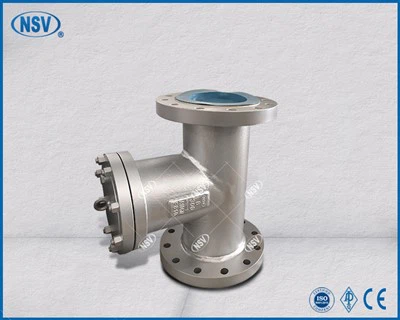
If you are in the market for cast gate valves and want to discuss your specific requirements, I encourage you to reach out for a detailed consultation. Our team of experts is ready to provide you with the best solutions tailored to your needs.
References
Spring Safety Valve Altenpohl, Dieter J. Industrial Valves: A Guide for Specification and Application. Elsevier, 2009.
Ludwig, Thomas L., and Norman J. Pagilla. Valve Handbook. McGraw – Hill, 2019.
NSV Valve Corporation
NSV Valve Corporation is one of the most professional cast gate valves manufacturers and suppliers in China, featured by quality products and good service. Please rest assured to buy cast gate valves made in China here from our factory.
Address: Puyi Road,Sanqiao Industrial Zone, Oubei Street, Yongjia County,Zhejiang,China
E-mail: info@nsvvalve.com
WebSite: https://www.nsvvalves.com/
