When a patient walks out of a hospital door, the hardest part of their care is often just beginning. Hospital stays are designed to stabilize health, treat acute conditions, and prepare someone to go home—but the transition phase, where new routines take root, pain is managed, and mobility is rebuilt, is where many people face the biggest, most stressful gaps. As a Hospital Patient Care provider, I’ve spent years working alongside patients, their families, and clinical teams to understand exactly what happens when that door closes, and I’ve seen firsthand how the right resources turn a daunting recovery into something manageable, even hopeful. Hospital Patient Care
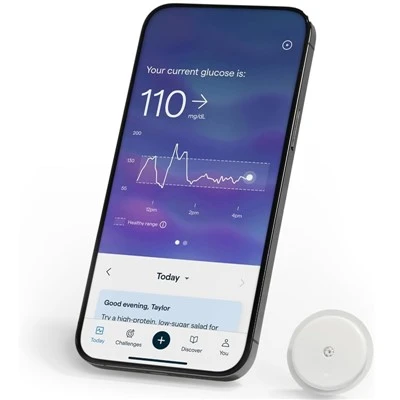
Let’s start with the most immediate need after discharge: in-home clinical support. For patients recovering from surgery, stroke, or a serious infection, returning home doesn’t mean they no longer need skilled care. Registered nurses (RNs) can visit 2 to 3 times a week for weeks, changing surgical dressings safely, monitoring blood sugar levels for diabetics recovering from complications, or adjusting medication regimens to avoid dangerous drug interactions. Physical therapists (PTs) come next, helping patients rebuild strength to climb stairs, get out of bed independently, or perform tasks as basic as lifting a glass of water. Occupational therapists (OTs) focus on adapting the home to match a patient’s current abilities—installing grab bars in bathrooms, rearranging kitchen cabinets to avoid reaching high shelves, or teaching adaptive tools like a shower stool—so daily tasks don’t become a source of pain or stress. I recently worked with a 72-year-old patient who’d had a total hip replacement; at discharge, she could barely walk 10 feet with a walker, and her small home had no railings near her bed or toilet. Within 6 weeks, a home health PT worked with her to build up her leg strength, and an OT helped her install railings and adjust her bed height so she could stand up without straining. By the 8-week mark, she was able to attend her granddaughter’s wedding, a milestone she’d thought was out of reach. That’s the kind of difference targeted, in-home clinical care makes.
Beyond skilled care, there’s the practical, often overlooked side of recovery: daily living support. Many patients are too weak, sore, or disoriented after a hospital stay to cook meals, do laundry, or run errands. For a 68-year-old cancer patient undergoing chemo, preparing nutrient-dense meals can feel overwhelming, especially when side effects like nausea or fatigue hit. For a patient recovering from a spinal cord injury, basic housework like vacuuming might be impossible without straining the healing area. Respite care is another key part of this: family caregivers often take on round-the-clock support, and it’s not unusual for them to burn out after just a few weeks. Short-term respite services, either in-home or at a local skilled nursing facility for a few hours or days, give caregivers a chance to rest, attend to their own health, or handle personal responsibilities—without leaving their loved one unsupervised. A friend of mine, a caregiver for her mother recovering from a fall, told me she’d been skipping her own doctor’s appointments for 2 months because she couldn’t leave her mom alone. When we connected her to part-time in-home care, she was able to get her own checkup, and her mom got consistent support that made her recovery smoother too.
Then there’s the world of durable medical equipment (DME) and home modifications, which are often confused but are both critical. DME includes the tangible tools that make recovery possible: walkers, wheelchairs, hospital beds, nebulizers, oxygen concentrators, and compression socks. After hospital discharge, patients often qualify for insurance coverage for these items, but navigating the process—getting a prescription, finding a trusted provider, ensuring the equipment is the right size and type—can take days or even weeks. For example, a patient recovering from a stroke might need a lightweight wheelchair to get to doctor’s appointments, but if it’s too heavy or hard to maneuver, it becomes a burden instead of a help. Home modifications go a step further: minor changes like installing a ramp for a wheelchair or a raised toilet seat, or larger projects like widening doorways to fit walkers. Many people don’t realize that these modifications aren’t one-size-fits-all; a patient with arthritis might need a different type of bathroom rail than a patient recovering from a knee replacement, and that customization makes all the difference.
Mental health support is another pillar of post-hospital recovery that’s often overlooked. Hospital stays are disorienting, frightening experiences—patients often feel isolated, anxious about their symptoms, or depressed when they can’t do things they used to. Studies show that up to 1 in 3 patients experience symptoms of anxiety or depression in the first 3 months after discharge, which can slow physical recovery and even lead to rehospitalization. Outpatient mental health services, especially those that specialize in medical recovery, are tailored to these experiences: therapists who understand how a stroke can change a patient’s identity, or how ongoing pain can erode confidence. Peer support groups, where patients connect with others who’ve gone through similar experiences, are also incredibly powerful. A 55-year-old patient I worked with after a heart attack told me he felt embarrassed when he couldn’t play golf like he used to, until he joined a peer group for post-heart attack patients. Hearing from someone who’d also struggled with those feelings, and had gone on to resume a modified version of his hobbies, helped him adjust his mindset and stick to his exercise plan.
Community-based resources fill gaps that even comprehensive in-home care can’t. Local senior centers offer exercise classes specifically designed for people recovering from surgery, free or low-cost meal delivery programs for patients who can’t cook, and transportation services to get to doctor’s appointments. Many areas also have nonprofit organizations that provide free DME for patients without insurance or with limited coverage, which is a lifeline for people who can’t afford to buy a wheelchair or hospital bed out of pocket. These community ties also help patients build a support network that goes beyond formal care—something that’s been linked to lower rates of rehospitalization and better long-term health outcomes.
Now, it’s important to talk about how these resources often don’t work as well as they should. The transition from hospital to home is riddled with gaps: discharge plans are sometimes rushed, patients and their families aren’t given clear instructions on how to care for wounds or adjust medications, and there’s often no follow-up appointment scheduled before the patient leaves. That’s where a provider like ours steps in—we don’t just send a patient home with a stack of papers. We coordinate with their hospital care team, primary care physician, and specialists to make sure every part of the recovery plan lines up. We check in daily for the first week after discharge, answer questions that come up at 2 a.m., and adjust the care plan if something isn’t working. For example, if a patient is having trouble with their PT exercises because their home is too cluttered, we’ll connect them to an OT to rearrange things, or help them get help clearing space, instead of leaving them to figure it out on their own.
If you’re a patient recovering after hospital care, or a caregiver supporting someone who is, you don’t have to navigate this alone. The right resources are out there, and they’re designed to meet you where you are. Whether you need skilled in-home nursing, practical daily support, adaptive tools, or mental health guidance, there’s a team ready to help. For healthcare providers and hospital systems looking to strengthen their post-discharge support, partnering with a trusted Hospital Patient Care provider can turn a high-stakes transition into a smooth, successful recovery. We’re here to collaborate, to build custom care plans that fit each patient’s unique needs, and to ensure that no one has to face post-hospital care without the right support.
To learn more about how our patient care resources can support your patients or your facility’s transition care program, we invite you to reach out to our team for a confidential consultation. We work with hospitals, primary care practices, and individual patients to deliver coordinated, compassionate care that bridges the gap between hospital stays and long-term wellness. Together, we can make sure recovery isn’t just about healing physically—it’s about regaining independence, confidence, and a sense of normalcy after leaving the hospital.
Home Healthcare References
Centers for Medicare & Medicaid Services. (2023). Hospital Readmission Reduction Program: 2024 Update. U.S. Department of Health and Human Services.
World Health Organization. (2022). Post-Acute Care for Adults: A Global Guide to Effective Transition from Hospital to Home. WHO Press.
National Institute on Aging. (2023). Caregiver Burnout: Causes, Signs, and Ways to Cope. National Institutes of Health.
American Physical Therapy Association. (2022). Home-Based Physical Therapy: Outcomes and Patient Satisfaction. APTA.
Journal of the American Geriatrics Society. (2021). Mental Health Symptoms in Post-Hospital Patients: Prevalence and Impact on Recovery. Wiley.
Eurosun Technology (Shanghai) Co., Ltd.
As one of the most professional hospital patient care equipment manufacturers and suppliers in China, we have world-leading production equipment and strong manufacturing capabilities. We warmly welcome you to wholesale high quality hospital patient care equipment in stock here from our factory.
Address: No.485, Xingmei Road, Minhang District, Shanghai
E-mail: eurosun6661216@163.com
WebSite: https://www.eurosunmedical.com/
