Hey everyone! Indoor Playground
If you’ve ever stepped into an indoor playground, you know that feeling—bright lights, laughter, the smell of cotton candy, kids zooming around ball pits, and that rush of pure, unfiltered fun. But here’s the thing I’ve been thinking about a lot lately: not every kid gets to feel that joy. For disabled children, navigating a standard indoor playground can be tricky. We’ve all been there, right? Maybe you’re a parent of a kid in a wheelchair, or a caregiver of a little one with sensory sensitivities, and you’ve left a playground feeling frustrated because there’s just nothing for your kid. That’s why, as an indoor playground supplier, accessibility isn’t just a “nice to have” for me—it’s non-negotiable. Let’s break down what actually works, no jargon, no fluff.
First off, let’s talk about the basics that most people skip: physical access. I’m not just talking about a ramp (though, trust me, that’s table stakes). Sure, ramps are way better than stairs, but they need to be wide enough—we’re talking at least 36 inches—to fit a wheelchair, a mobility scooter, and maybe a parent pushing a stroller alongside without any tight squeezes. I’ve seen ramps so narrow that a kid in a power wheelchair got stuck halfway, and that’s the last thing anyone wants. Also, the ramp shouldn’t have those annoying steep sections—max a 1:12 slope, per accessibility guidelines. That means for every inch of height, the ramp stretches 12 inches out. Simple, right?
Then there’s the playground floor itself. A lot of indoor play spaces use that squishy rubber turf, but it’s not all the same. For kids with mobility aids, the turf needs to be firm enough that a wheelchair’s wheels don’t sink in—no one wants to deal with a stuck wheelchair mid-game. But it also can’t be hard, because a kid crawling or falling should be safe. We use a dual-density tile that hits that sweet spot, and we make sure it’s flush with doorways and other surfaces too. No tripping hazards from uneven edges—total game changer.
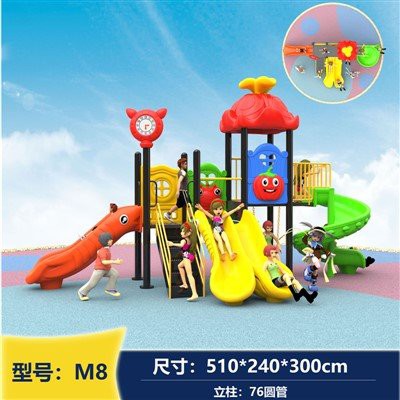
Now, let’s get to the stuff that makes the actual play fun, not just getting in. Play structures are where most indoor playgrounds mess up. A standard slide is cool, but what about a kid who can’t climb stairs to get to the top? We add “alternative entry points” to every structure: things like a transfer platform that’s level with a wheelchair, or a gentle ramp winding up the side so a mobility device can roll right up. I worked on a project last year where a 7-year-old in a wheelchair got to slide for the first time, and his mom was crying—you don’t forget moments like that.
And don’t even get me started on ball pits. Traditional ball pits have high sides that are impossible for a kid in a wheelchair to reach into without tipping over. We designed our ball pit with a low, wide edge that’s level with a wheelchair seat, so a kid can roll right up and reach the balls without struggling. Also, we use larger balls for kids who might have fine motor challenges—no more frustrating fumbles with tiny balls.
Next up, sensory accessibility, which is huge but often overlooked. A lot of disabled kids have sensory processing differences—loud noises, flashing lights, or cramped spaces can send them into overload. As a supplier, we build “sensory quiet zones” into every playground. These are small, enclosed areas with soft lighting, no loud speakers, and bean bags or weighted blankets. Some have fidget stations with textured toys, tangle puzzles, and noise-canceling headphones available for kids who need them. We also dim the overhead lights in play areas during busier times, or add dimmable LED strips so bright spots don’t stress out kids who are sensitive to light.
Another big one: inclusive play equipment. It’s not enough to have one thing for disabled kids—we need gear that lets kids play together. For example, we have adaptive swings that support kids with limited upper body strength, or those who can’t sit up on their own. Some have harnesses that are easy to adjust, and they’re sturdy enough that a kid can swing next to a non-disabled friend without feeling separate. We also have “parallel play” structures, like twin slides where one side is for wheelchairs and the other is for walking kids, so they can slide at the same time. That’s the stuff that builds friendships, not just access.
Wait, let’s talk about height adjustability too. A lot of play tables and activity panels are too high for a kid in a wheelchair, or too low for a kid using a walker. We make all of our activity panels adjustable—they can be raised or lowered with a simple crank, so a kid of any ability can reach the sensory games, art stations, or puzzle walls. I once saw a kid with dwarfism who was too short to reach the wall games, and after we adjusted it, he spent 20 minutes playing with a group of other kids. That’s the magic, y’know?
Something else that’s easy to miss: staff training. Even if you have the best equipment, if your staff doesn’t know how to use it, it’s useless. As a supplier, we don’t just drop off equipment and leave—we train every staff member on how to support disabled kids. That means learning how to help a kid transfer from a wheelchair to a swing, how to respond when a kid has a sensory overload, and how to make sure all kids feel included in group games. We also provide quick reference guides for common needs, like what size harness to use for a non-verbal kid, or how to adjust a ramp if it’s too steep.
I get it, some people think accessibility is expensive. Yeah, it’s an upfront cost, but think about it—you’re not just building a play space for 80% of kids, you’re building it for 100%. A playground with good accessibility will bring in more families, more joy, and more memories. I’ve had customers tell us that their indoor playground went from being empty on weekdays to packed because disabled kids could finally come and play. That’s the return on investment that matters.
Let’s also address some common myths. One myth is that “disabled kids don’t play outdoors, so indoor playgrounds don’t need to be accessible.” No way—indoor playgrounds are often used year-round, when it’s too hot, too cold, or raining for outdoor play. Another myth is that accessibility has to be “bulky” and ruin the fun. I’ve seen so many accessible playgrounds that are just as colorful, just as cool, as any other. The adaptive swings look just like regular ones, the sensory quiet zones are cozy and inviting, not like a boring closet.
So what does all this mean if you’re someone looking to add accessibility to your indoor playground? It means asking the right questions when you work with a supplier. Don’t just ask “do you have ramps?” Ask “how wide are they? Do they fit a power wheelchair and a parent?” Ask about sensory spaces, adjustable equipment, and staff training. And if you’re a parent or caregiver, don’t settle for a playground that doesn’t work for your kid—speak up, and look for suppliers who actually care about making play for everyone.
At the end of the day, play is for every kid. It’s not just about sliding or climbing—it’s about laughing, making friends, and feeling like you belong. If you’re an indoor playground owner or manager looking to update your space with inclusive, accessible features, I’d love to chat. Let’s make sure every kid gets to have that fun.
Indoor Playground References
- Americans with Disabilities Act (ADA) Standards for Accessible Design, U.S. Access Board
- National Lekotek Center, Inclusive Play Guidelines for Children with Disabilities
- International Play Association, Play for All: Inclusive Play Spaces
- Centers for Disease Control and Prevention (CDC), Sensory Processing Disorders in Children
- Playworks, Accessible Play Equipment: A Guide for Playground Designers
Wenzhou Linmao Technology Co., Ltd.
As one of the leading indoor playground manufacturers and suppliers in China, we also support customized service. Please feel free to buy high quality indoor playground made in China here from our factory. For pricelist, contact us now.
Address: Mei’ao Village, Qiaoxia Town, Yongjia County, Wenzhou City, Zhejiang Province, China
E-mail: 951045112@qq.com
WebSite: https://www.linmaoplay.com/
