In the realm of emergency response, the proper handling of breaching and cutting equipment is not just a skill; it’s a critical determinant of success in high – stakes situations. As a supplier of breaching and cutting equipment, I’ve witnessed firsthand the importance of these tools in various emergency scenarios, from rescue operations to law enforcement interventions. In this blog, I’ll share insights on how to handle such equipment effectively during emergencies. Breaching And Cutting Equipment
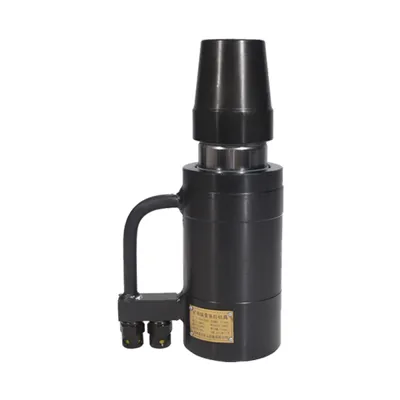
Understanding the Equipment
Before delving into the handling techniques, it’s essential to have a comprehensive understanding of the breaching and cutting equipment. There are different types of tools available, each designed for specific purposes. For instance, hydraulic cutters are commonly used for cutting through metal bars, gates, and vehicle frames. They offer high cutting force and are relatively easy to operate. On the other hand, abrasive cut – off saws are ideal for cutting through hard materials like concrete and masonry.
Familiarize yourself with the features, specifications, and limitations of each piece of equipment. Read the user manuals thoroughly and attend training sessions if possible. This knowledge will not only help you select the right tool for the job but also ensure its safe and efficient operation.
Pre – emergency Preparation
Preparation is key when it comes to handling breaching and cutting equipment in an emergency. First, conduct regular maintenance checks on all your equipment. This includes inspecting hydraulic hoses for leaks, checking the blade sharpness of saws, and ensuring that all moving parts are well – lubricated. A well – maintained tool is less likely to malfunction during a critical moment.
Create an inventory of your equipment and keep it updated. Know exactly what tools you have, their locations, and their current condition. This will save valuable time during an emergency when every second counts. Additionally, train your team members on how to use the equipment properly. Regular training sessions can improve their skills and confidence, enabling them to respond effectively in high – pressure situations.
Safety First
Safety should always be the top priority when handling breaching and cutting equipment. Wear appropriate personal protective equipment (PPE), such as safety glasses, gloves, and ear protection. These items can protect you from flying debris, sharp edges, and loud noises.
Before starting any operation, assess the work area for potential hazards. Look for live electrical wires, gas leaks, or unstable structures. If necessary, take steps to mitigate these risks before proceeding. For example, if there are live electrical wires in the vicinity, turn off the power supply or use insulated tools.
Handling Techniques
Hydraulic Cutters
When using hydraulic cutters, start by positioning the jaws of the cutter around the object to be cut. Make sure the jaws are fully engaged and centered on the material. Apply the hydraulic pressure gradually, allowing the cutter to do its work. Avoid forcing the cutter or applying excessive pressure, as this can damage the tool or cause it to malfunction.
During the cutting process, keep a firm grip on the cutter and maintain a stable stance. Be aware of the direction of the cut and the potential for the material to move or break apart. Once the cut is complete, release the hydraulic pressure and carefully remove the cutter from the material.
Abrasive Cut – off Saws
For abrasive cut – off saws, begin by securing the material to be cut. Use clamps or other appropriate fixtures to prevent the material from moving during the cutting process. Adjust the cutting depth and speed according to the type of material and the specifications of the saw.
When starting the saw, hold it firmly with both hands and let the blade reach its full speed before making contact with the material. Apply a steady and even pressure as you guide the saw through the cut. Avoid pushing too hard or forcing the saw, as this can cause the blade to bind or break.
Emergency Scenarios
In a rescue operation, time is of the essence. For example, in a vehicle accident where a person is trapped, hydraulic cutters can be used to quickly remove the doors or the roof of the vehicle. In such a situation, it’s important to act quickly but also with precision. Identify the areas that need to be cut and use the cutter to make clean and efficient cuts.
In a law enforcement scenario, breaching and cutting equipment may be used to gain entry into a building. For instance, if a suspect is barricaded inside a room, a hydraulic ram or a cutting tool can be used to break through the door. In this case, it’s crucial to coordinate with other team members and follow the established protocols.
Post – emergency Procedures
After the emergency situation has been resolved, it’s important to conduct a thorough inspection of the equipment. Check for any signs of damage or wear and tear. If any parts are damaged, replace them immediately. Clean the equipment to remove any debris or contaminants.
Document the use of the equipment during the emergency. This includes recording the time, location, and nature of the operation, as well as any issues or problems that were encountered. This information can be used for future training and equipment improvement.
Conclusion

Proper handling of breaching and cutting equipment in an emergency is a complex but essential skill. By understanding the equipment, preparing in advance, prioritizing safety, and using the right handling techniques, you can ensure the effectiveness of these tools in critical situations.
Cable Tensioner As a supplier of breaching and cutting equipment, I’m committed to providing high – quality products and support to our customers. If you’re interested in learning more about our products or have any questions regarding the handling of breaching and cutting equipment, I encourage you to reach out to us for a procurement discussion. We’re here to help you make the right choices for your emergency response needs.
References
- "Emergency Response Equipment Handbook"
- "Safety Guidelines for Breaching and Cutting Tools"
- Industry – specific training materials on breaching and cutting equipment
Changzhou Truyou Mining Equipment Co., Ltd.
As one of the most professional breaching and cutting equipment manufacturers and suppliers in China, we have world-leading production equipment and strong manufacturing capabilities. Please rest assured to buy advanced breaching and cutting equipment made in China here from our factory. Customized orders are welcome.
Address: No. 186 Hongxi Road, Niutang Town, Wujin District, Changzhou City, Jiangsu Province
E-mail: info@truyoucoalmining.com
WebSite: https://www.truyoucoalmining.com/
