Hey there! As a supplier of Current Transformers (CTs), I often get asked about the short – circuit current capacity of these nifty devices. So, I thought I’d take a few minutes to break it down for you in a way that’s easy to understand. Current Transformer
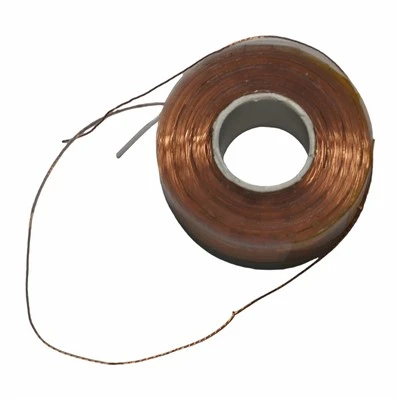
First off, let’s talk about what a Current Transformer is. In simple terms, a CT is a type of instrument transformer that’s used to measure electrical current. It steps down the high current in a circuit to a lower, more manageable level that can be safely measured by meters, relays, and other devices. They’re super important in power systems, helping to monitor and protect electrical equipment.
Now, onto the main topic: the short – circuit current capacity. A short – circuit occurs when there’s an unintended low – resistance connection between two points in an electrical circuit. This can cause a huge surge in current, way more than what the circuit is normally designed to handle. And that’s where the short – circuit current capacity of a CT comes into play.
The short – circuit current capacity of a Current Transformer refers to the maximum amount of short – circuit current that the CT can withstand without getting damaged or losing its accuracy. It’s a crucial parameter because during a short – circuit event, the CT needs to be able to function properly so that the protective devices in the system can detect the fault and take appropriate action.
There are a few factors that affect the short – circuit current capacity of a CT. One of the main factors is the construction of the CT itself. The core material, the number of turns in the winding, and the insulation all play a role. For example, a CT with a high – quality core material and proper insulation is more likely to handle high short – circuit currents.
The secondary burden of the CT also matters. The secondary burden is the load connected to the secondary winding of the CT, such as meters and relays. If the secondary burden is too high, it can affect the CT’s ability to handle short – circuit currents. So, it’s important to make sure that the secondary burden is within the specified range for the CT.
Another factor is the duration of the short – circuit. A short – circuit that lasts for a longer time will put more stress on the CT than a short – term one. CTs are usually rated for a specific short – circuit duration, like 1 second or 3 seconds. This rating tells you how long the CT can handle a certain level of short – circuit current without being damaged.
Let’s talk about how we test the short – circuit current capacity of our CTs. At our place, we use some pretty advanced testing equipment. We simulate short – circuit conditions in a controlled environment to see how our CTs perform. We measure the current, voltage, and other parameters during the test to make sure that the CT meets the required standards.
We also follow international standards when it comes to the short – circuit current capacity of our CTs. Standards like IEC 60044 – 1 and IEEE C57.13 provide guidelines on how CTs should be designed, tested, and rated for short – circuit performance. By adhering to these standards, we can ensure that our CTs are reliable and safe to use in various electrical systems.
Now, you might be wondering why the short – circuit current capacity is so important in real – world applications. Well, in power distribution systems, short – circuits can happen due to a variety of reasons, like equipment failure, lightning strikes, or human error. If a CT fails during a short – circuit event, it can lead to incorrect readings, which can prevent the protective devices from working properly. This can result in damage to electrical equipment, power outages, and even safety hazards.
In industrial settings, where there are large motors and other high – power equipment, short – circuits can be particularly dangerous. A reliable CT with a high short – circuit current capacity can help prevent these problems by accurately measuring the current during a short – circuit and allowing the protective devices to trip quickly.
As a supplier, we offer a wide range of Current Transformers with different short – circuit current capacities to meet the needs of various applications. Whether you’re working on a small residential project or a large industrial power plant, we’ve got a CT that’s right for you.
Our team of experts is always available to help you choose the best CT for your specific requirements. We can provide you with detailed technical information, answer your questions, and even offer custom solutions if needed.
If you’re in the market for Current Transformers and want to learn more about our products and their short – circuit current capacities, don’t hesitate to get in touch. We’re here to help you find the perfect CT for your electrical system. Whether you’re an electrical engineer, a contractor, or someone involved in power system maintenance, we can provide you with high – quality CTs that you can rely on.
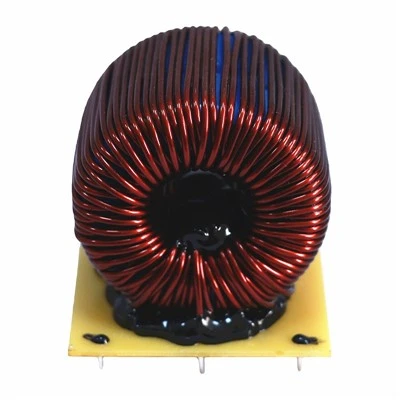
So, if you’re interested in discussing your procurement needs, just reach out to us. We’ll be more than happy to have a chat and see how we can work together to meet your requirements.
High Frequency Transformer References
- IEC 60044 – 1: Instrument transformers – Part 1: Current transformers
- IEEE C57.13: Standard Requirements for Instrument Transformers
Dongguan Hensiron Electric Co., Ltd.
As one of the most professional current transformer suppliers in China, we have world-leading production equipment and strong manufacturing capabilities. Please feel free to buy high quality current transformer made in China here from our factory. Customized orders are welcome.
Address: Building 4, Xinxing Industrial Zone, Wangao Road, Wanjiang Street, Dongguan City, China
E-mail: jessica@dghensiron.com
WebSite: https://www.dghensiron.com/
