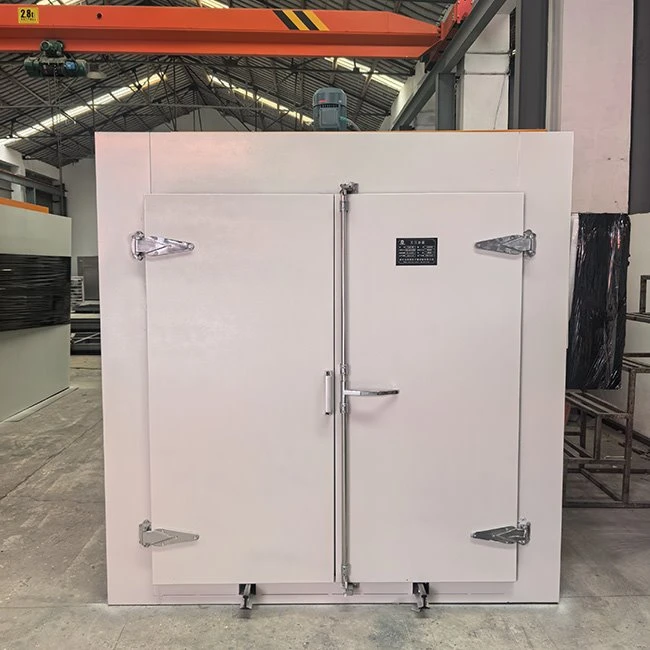
Hey there! I’m in the business of supplying industrial furnaces. Over the years, I’ve seen firsthand the ins and outs of these pieces of equipment. While electric industrial furnaces have their fair share of advantages like precise temperature control and a cleaner operation compared to some of their fossil – fuel counterparts, they’re not without their drawbacks. In this blog, I’ll be breaking down some of the disadvantages of using an electric industrial furnace. Industrial Furnace
High Initial Investment
One of the biggest headaches when it comes to electric industrial furnaces is the high initial investment. These things aren’t cheap to buy. The cost of purchasing an electric industrial furnace can be a real eye – opener. You’ve got to shell out serious money for the unit itself. And that’s not all. You also need to budget for the installation. It’s not as simple as just plugging it in and turning it on. There are often special electrical requirements and safety measures that need to be in place.
For instance, the furnace might need a dedicated electrical supply with a high capacity. That could mean upgrading your building’s electrical system, which involves hiring an electrician, getting the necessary permits, and buying new electrical components. All these add – on expenses can quickly pile up, making it a tough pill to swallow for small and medium – sized businesses. Even for larger companies, it can still be a significant financial burden when starting a new project or replacing an old furnace.
High Operating Costs
The cost of running an electric industrial furnace is another major downside. Electricity isn’t exactly getting cheaper. In fact, electric rates seem to be going up year after year in many places. When you’re running an industrial furnace, you’re using a ton of electricity. These furnaces are power – hungry beasts, and they need a continuous supply of electricity to maintain the high temperatures required for industrial processes like melting metals or heat – treating materials.
Let’s say you’re a foundry that uses an electric industrial furnace to melt aluminum. The furnace needs to be kept at a high temperature around the clock to keep the metal molten. This constant demand for electricity results in sky – high energy bills. Compared to other types of furnaces that use natural gas or other fuels, the cost of running an electric furnace can be two to three times higher in some cases. This can really eat into your profit margins, especially if you’re in a competitive industry where cost – control is crucial.
Limited Temperature Range
While electric industrial furnaces are great for many applications, they do have a limited temperature range compared to some other types of furnaces. Most electric furnaces can’t reach the extremely high temperatures that you can get with a fuel – fired furnace. For example, some fuel – fired furnaces can reach temperatures well over 3000°F (1649°C), which is necessary for certain high – temperature processes like melting refractory metals such as tungsten and molybdenum.
Most standard electric industrial furnaces have a maximum temperature of around 2000°F (1093°C). While this is sufficient for a lot of common industrial processes, it can be a deal – breaker for industries that require ultra – high temperatures. So, if your business needs to work with materials that have very high melting or processing points, an electric furnace might not be the best choice.
Dependence on Electricity Supply
Electric industrial furnaces are completely at the mercy of the electricity supply. If there’s a power outage, the furnace stops working immediately. And this isn’t just an inconvenience; it can be a major problem for your business. In a manufacturing process, an unexpected power outage can ruin an entire batch of products. For example, if you’re in the middle of heat – treating a metal part, a sudden power cut can cause the part to cool unevenly, leading to structural defects.
Even if the power is restored quickly, the furnace might need to be pre – heated again, which takes time and consumes more energy. And in areas where power outages are common due to severe weather, grid problems, or other issues, this can be a real headache. You might need to invest in a backup power generator, but that’s another expense that you have to factor in.
Maintenance and Repair Challenges
Maintaining and repairing an electric industrial furnace can be a tricky business. These furnaces have a lot of complex electrical components, and when something goes wrong, it can be difficult to diagnose the problem. You can’t just open up the furnace and start poking around like you might with some simpler mechanical equipment. Electrical systems are dangerous, and if you don’t know what you’re doing, you could get seriously hurt.
Also, finding replacement parts for these furnaces can be a challenge. Many of the components are specialized and might not be readily available. This can lead to long wait times for repairs, which means your furnace is out of commission for longer periods. And during that time, your production could be halted, causing further losses for your business.
Environmental Impact (in some cases)
Although electric industrial furnaces are generally considered cleaner than fuel – fired furnaces because they don’t produce direct emissions like carbon monoxide, sulfur dioxide, or particulate matter, their environmental impact is still a bit more complex. The electricity used to power these furnaces often comes from power plants that burn fossil fuels like coal, natural gas, or oil.
So, indirectly, using an electric industrial furnace can contribute to greenhouse gas emissions and other environmental problems. If the electricity in your area is generated mainly from non – renewable sources, your furnace is effectively using a dirty energy source. Even if you opt to use renewable energy, setting up such a system can be costly and complicated.
Risk of Electrical Hazards
Working with an electric industrial furnace comes with an inherent risk of electrical hazards. These furnaces operate at high voltages, and if proper safety measures aren’t taken, workers can be exposed to electric shocks, burns, or even electrocution. This means that you need to have strict safety protocols in place, including ensuring that only trained personnel operate the furnace.
You also need to invest in proper safety equipment such as insulation, grounding systems, and electrical enclosures. Despite all these precautions, there’s still a risk. A small fault in the electrical system can lead to a dangerous situation. And if an accident occurs, it can have serious consequences for your employees and your business in terms of legal issues and potential damage to your reputation.

Despite these disadvantages, electric industrial furnaces still have their place in the market. They’re reliable for many applications, offer good temperature control, and have a relatively clean operation. If you’re thinking about buying an industrial furnace, it’s important to weigh these drawbacks against the benefits.
Industrial Furnace If you’re interested in learning more about industrial furnaces or want to discuss your specific needs, I’d love to have a chat with you. Whether you’re still considering an electric furnace or want to explore other options, I can provide you with the information and guidance you need. Don’t hesitate to reach out for a procurement discussion. Let’s see how we can find the best furnace solution for your business.
References
- "Industrial Furnace Handbook: Principles, Construction, and Operation".
- Various industry reports on energy consumption in industrial furnaces.
Nanjing Ranran Tiancheng Drying Equipment Co., Ltd.
As one of the most professional industrial furnace manufacturers and suppliers in China, our products have good reputation in the market. Please feel free to buy advanced industrial furnace for sale here from our factory. All customized products are with high quality and competitive price.
Address: No. 5 Xinhua Road, Shangba Village, Longtan Street, Qixia District, Nanjing City
E-mail: rrtc@rrtcoven.com
WebSite: https://www.rrtcoven.com/
