Automotive connectors are crucial components in modern vehicles, serving as the bridge for electrical and signal connections. These connectors come in various shapes, each designed to meet specific requirements in different automotive applications. As an automotive connector supplier, I’ve had the privilege of witnessing firsthand the diverse needs of the automotive industry and the unique characteristics of connectors with different shapes. In this blog, I will delve into the differences between automotive connectors with different connector shapes from multiple aspects, including size and space utilization, electrical performance, mechanical properties, and application scenarios. Automotive Connector
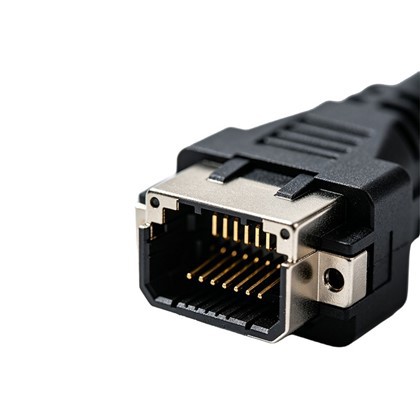
Size and Space Utilization
One of the most obvious differences between automotive connectors with different shapes is their size and the space they occupy. Rectangular connectors, for example, are often used in applications where space efficiency is a concern. Their flat and compact design allows them to be easily integrated into tight spaces within the vehicle, such as in the dashboard or engine compartment. Rectangular connectors can be stacked or aligned side by side, maximizing the use of available space while minimizing the overall footprint.
On the other hand, circular connectors typically have a larger diameter compared to rectangular connectors. However, their symmetrical shape provides a more balanced distribution of forces, which is beneficial in high – vibration environments. Circular connectors are commonly used in applications where reliable connections are required, such as in the transmission system or power distribution units. Although they may take up more space in terms of width or diameter, their robust design often justifies the space they occupy.
Another factor related to size is the mating interface. Some connectors, like the blade – type connectors, have a relatively simple and narrow mating interface. This makes them suitable for applications where quick and easy connections are needed, such as in some automotive lighting systems. In contrast, multi – pin connectors with complex mating interfaces may require more space for proper alignment and connection, but they can transmit multiple signals or high – power currents simultaneously, which is essential for advanced in – vehicle communication systems or high – power electrical components.
Electrical Performance
The electrical performance of automotive connectors is highly influenced by their shape. The shape affects the contact area between the connector pins or terminals, which in turn impacts the resistance, current – carrying capacity, and signal integrity.
Connectors with a larger contact area generally have lower resistance. For instance, rectangular connectors with wide and flat terminals can provide a relatively large contact surface, reducing the resistance and minimizing power loss during current transmission. This is particularly important in high – power applications, such as in the starter motor or the battery charging system. Lower resistance also helps to prevent overheating, ensuring the long – term reliability of the electrical connection.
Circular connectors, due to their cylindrical shape, often have a uniform distribution of the contact area around the circumference in some designs. This can be advantageous for maintaining a stable electrical connection, especially in applications where the connector may be subject to rotational or angular movements. The circular symmetry helps to ensure that the contact pressure is evenly distributed, reducing the risk of intermittent connections.
In terms of signal integrity, the shape of the connector can also play a role. Some specialized connector shapes are designed to minimize electromagnetic interference (EMI). For example, connectors with a shielded design and a proper shape can effectively block external electromagnetic fields, ensuring that the signals transmitted through the connector remain clean and accurate. This is crucial for sensitive electronic systems in vehicles, such as the on – board diagnostic (OBD) system or the advanced driver – assistance systems (ADAS).
Mechanical Properties
The mechanical properties of automotive connectors vary significantly depending on their shape. These properties include durability, resistance to vibration and shock, and ease of mating and unmating.
Rectangular connectors are known for their relatively rigid structure. They can be securely mounted in place using screws or clips, providing stable support in the vehicle environment. The flat surface of rectangular connectors also allows for easy panel mounting, which is beneficial for applications where the connector needs to be integrated into a control panel or a circuit board. However, rectangular connectors may be more susceptible to damage if subjected to excessive lateral forces due to their relatively planar design.
Circular connectors, on the other hand, are generally more resistant to vibration and shock. Their circular shape provides a more uniform distribution of stress, reducing the risk of cracking or breaking under harsh conditions. Many circular connectors also feature a locking mechanism, such as a threaded coupling or a bayonet lock, which ensures a secure connection even in high – vibration environments. This makes circular connectors ideal for use in off – road vehicles or heavy – duty trucks, where the vehicle is exposed to more severe mechanical stresses.
The ease of mating and unmating is another important mechanical property. Some connector shapes, such as the push – pull connectors, are designed for quick and easy connection and disconnection. These connectors are often used in applications where frequent maintenance or replacement is required, such as in some in – vehicle entertainment systems or mobile diagnostic equipment. In contrast, connectors with a more complex locking or mating mechanism may be more difficult to handle but provide a more secure connection, which is necessary for critical components in the vehicle’s safety systems.
Application Scenarios
The choice of connector shape is closely related to the specific application scenarios in the automotive industry.
In the engine compartment, connectors need to withstand high temperatures, oil, and vibration. Circular connectors are often preferred in this environment due to their excellent mechanical and electrical performance under harsh conditions. For example, the connectors used for the engine control unit (ECU) or the fuel injection system are typically circular connectors with high – temperature – resistant materials and reliable sealing mechanisms.
In the interior of the vehicle, such as in the dashboard or the passenger compartment, space is often limited, and aesthetics are also a consideration. Rectangular connectors are more commonly used in these areas because of their compact size and the ability to be neatly integrated into the vehicle’s interior design. For example, the connectors used for the infotainment system, USB ports, or the climate control panel are often rectangular connectors.
For applications that require high – speed data transmission, such as in the emerging autonomous driving systems and connected vehicles, specialized connector shapes with excellent signal integrity characteristics are needed. These connectors may have unique shapes and designs to minimize signal loss and interference, ensuring the accurate and reliable transmission of large amounts of data.
Conclusion
In conclusion, the differences between automotive connectors with different shapes are multi – faceted, encompassing size and space utilization, electrical performance, mechanical properties, and application scenarios. As an automotive connector supplier, understanding these differences is crucial for providing the right solutions to our customers. We need to consider the specific requirements of each automotive application and recommend the most suitable connector shape accordingly.
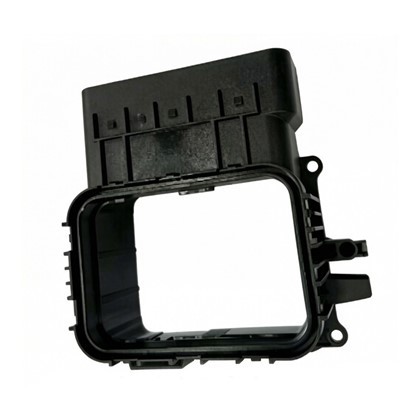
Whether it’s the space – saving rectangular connectors for interior applications, the robust circular connectors for harsh environments, or the specialized connectors for high – speed data transmission, each shape has its own advantages and is designed to meet specific needs in the automotive industry.
Industrial Connectors If you’re in the automotive industry and are looking for high – quality automotive connectors, I invite you to engage in a procurement discussion with us. We can provide you with professional advice on choosing the right connector shapes and designs for your specific applications. Our team of experts is dedicated to helping you find the most suitable solutions that meet your technical and cost requirements.
References
- "Automotive Electrical and Electronic Systems" by John F. Bosner
- "Connectors in Automotive Applications: Design, Testing, and Reliability" edited by a group of industry experts
Modelon Precision Industry (Suzhou) Co., Ltd.
With abundant experience, we are one of the most professional automotive connector manufacturers and suppliers in China. Welcome to buy customized automotive connector at competitive price from our factory. If you have any enquiry about pricelist, please feel free to email us.
Address: 1st Floor, Building 22, No. 2628 North Gate Road, Kunshan City, Jiangsu Province, P.R.China
E-mail: jessica_huang2025@163.com
WebSite: https://www.modeloncn.com/
