What are the environmental impacts of a vertical cabinet retrofit?
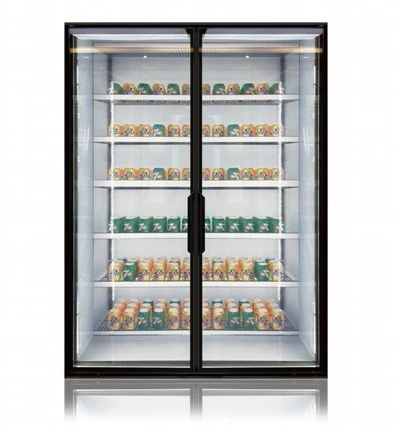
As a supplier specializing in vertical cabinet retrofits, I’ve witnessed firsthand the transformative power of these projects, not only in terms of functionality and aesthetics but also in their far – reaching environmental implications. In this blog, I’ll delve into the multifaceted environmental impacts of vertical cabinet retrofits, and highlight how embracing this solution can contribute to a more sustainable future. Vertical Cabinet Retrofit
1. Reduction of Waste
One of the most significant environmental benefits of vertical cabinet retrofits is the substantial reduction of waste. In a world where landfills are rapidly filling up, and the disposal of large furniture items like cabinets is a growing concern, retrofitting offers a practical and eco – friendly alternative.
Traditional cabinet replacement often results in the old cabinets being discarded, adding to the already overwhelming waste stream. These cabinets are typically made of wood, metal, and various synthetic materials, which can take decades to decompose. By contrast, a retrofit involves refurbishing and upgrading the existing cabinets, extending their useful life.
For example, instead of throwing away a cabinet with a worn – out finish, we can sand it down and apply a new coat of paint or stain. Damaged drawers can be repaired, and outdated hardware can be replaced. This not only keeps the cabinets out of landfills but also reduces the demand for new raw materials. According to research, the furniture industry is a significant contributor to deforestation. By retrofitting vertical cabinets, we can help conserve forests by reducing the need for new timber.
2. Energy Efficiency Improvements
Vertical cabinet retrofits can also lead to notable energy efficiency improvements. Many modern retrofit solutions focus on enhancing insulation and air – tightness. In commercial and industrial settings, vertical cabinets are often used to store temperature – sensitive items. By improving the insulation of these cabinets, less energy is required to maintain the desired temperature.
For instance, we can install high – quality weatherstripping around cabinet doors and drawers. This simple addition can prevent cold or warm air from leaking out, reducing the load on heating and cooling systems. Additionally, upgrading to energy – efficient lighting within the cabinets can further contribute to energy savings. LED lights, for example, consume significantly less energy than traditional incandescent bulbs and have a much longer lifespan.
In a study conducted by an environmental research group, it was found that energy – efficient cabinet retrofits in commercial buildings could lead to a reduction of up to 20% in energy consumption related to cabinet storage. This not only translates into cost savings for the end – user but also reduces the overall carbon footprint associated with energy production.
3. Chemical and Pollutant Reduction
The manufacturing of new cabinets often involves the use of various chemicals and pollutants. Paints, adhesives, and finishes can contain volatile organic compounds (VOCs), which are harmful to both human health and the environment. VOCs can contribute to air pollution, smog formation, and have been linked to respiratory problems and other health issues.
When we retrofit vertical cabinets, we have the opportunity to use more environmentally friendly materials. For example, water – based paints and adhesives have a much lower VOC content compared to their solvent – based counterparts. Using these eco – friendly alternatives during the retrofit process can significantly reduce the emission of pollutants into the air.
Moreover, by reusing existing cabinet structures, we avoid the chemical – intensive manufacturing processes required to produce new cabinets. This helps in minimizing the release of industrial pollutants into the environment, such as heavy metals and other hazardous substances that are often used in the production of wooden and metal cabinets.
4. Conservation of Natural Resources
Beyond reducing waste and energy consumption, vertical cabinet retrofits play a crucial role in conserving natural resources. As mentioned earlier, the furniture industry relies heavily on timber, metal, and other raw materials. The extraction and processing of these resources have a significant environmental impact, including deforestation, habitat destruction, and soil erosion.
Retrofitting cabinets allows us to reuse the existing materials, conserving these precious resources. Even if some component replacement is required, we can often source recycled or reclaimed materials. For example, recycled metal can be used to replace old cabinet hinges or handles. Reclaimed wood, which is salvaged from old buildings or other sources, can be used for cabinet repairs or enhancements. This not only reduces the demand for virgin resources but also gives new life to materials that would otherwise be discarded.
5. Promotion of a Circular Economy
Vertical cabinet retrofits are an excellent example of how we can move towards a circular economy. In a linear economy, products are made, used, and then discarded. In contrast, a circular economy aims to keep products and materials in use for as long as possible, extracting the maximum value from them before recycling or reusing them.
By offering retrofit services, we are closing the loop in the cabinet lifecycle. Instead of following the traditional linear model, we are extending the useful life of cabinets, reducing the need for constant new production. This approach promotes sustainable consumption and production patterns, which are essential for addressing global environmental challenges such as climate change and resource depletion.
Moreover, the retrofit process often involves a network of suppliers, technicians, and end – users. This creates a more sustainable ecosystem where the value of products is maintained through continuous improvement and reuse. For example, we work closely with suppliers of recycled materials and energy – efficient components to ensure that our retrofit solutions are as sustainable as possible.
Conclusion
In conclusion, the environmental impacts of vertical cabinet retrofits are far – reaching and positive. From waste reduction and energy efficiency improvements to chemical and pollutant reduction, conservation of natural resources, and promotion of a circular economy, retrofitting offers a sustainable alternative to traditional cabinet replacement.
As a vertical cabinet retrofit supplier, I’m committed to providing high – quality, environmentally friendly solutions. Our team of experts has the knowledge and experience to transform your old cabinets into functional, beautiful, and eco – friendly storage solutions.
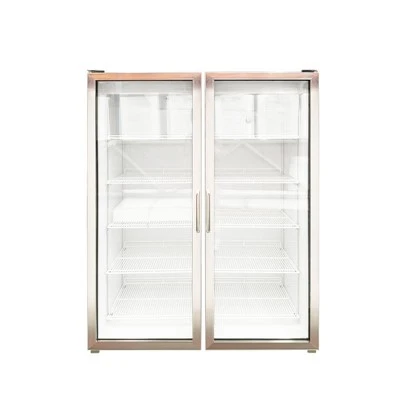
Sliding Glass Door If you’re interested in exploring the possibilities of a vertical cabinet retrofit for your home, office, or business, I encourage you to reach out to us. We can schedule a consultation to discuss your specific needs, assess your cabinets, and provide you with a personalized retrofit plan. By choosing to retrofit, you’re not only making a smart investment in the longevity and functionality of your storage solutions but also contributing to a greener and more sustainable planet.
References
- Environmental Protection Agency. (Year). "Waste Reduction and Recycling: Best Practices for the Furniture Industry."
- Research Group X. (Year). "Energy Efficiency in Commercial Building Cabinetry: The Impact of Retrofits."
- Sustainability Journal. (Year). "The Role of Circular Economy in the Furniture Sector: Case Studies and Best Practices."
Coste Glass Door Co., Ltd.
As one of the most professional vertical cabinet retrofit manufacturers and suppliers in China, we’re featured by quality products and good price. Please feel free to wholesale bulk vertical cabinet retrofit in stock here and get quotation from our factory. Customized orders are welcome.
Address: 41/47, VILLAGE NO.5 KHOK KRABUE SUBDISTRICT MUEANG SAMUT SAKHON DISTRICT ,SAMUT SAKHON PROVINCE 74000 ,Thailand
E-mail: Alicezhou@shhag.com
WebSite: https://www.costeglassdoor.com/
